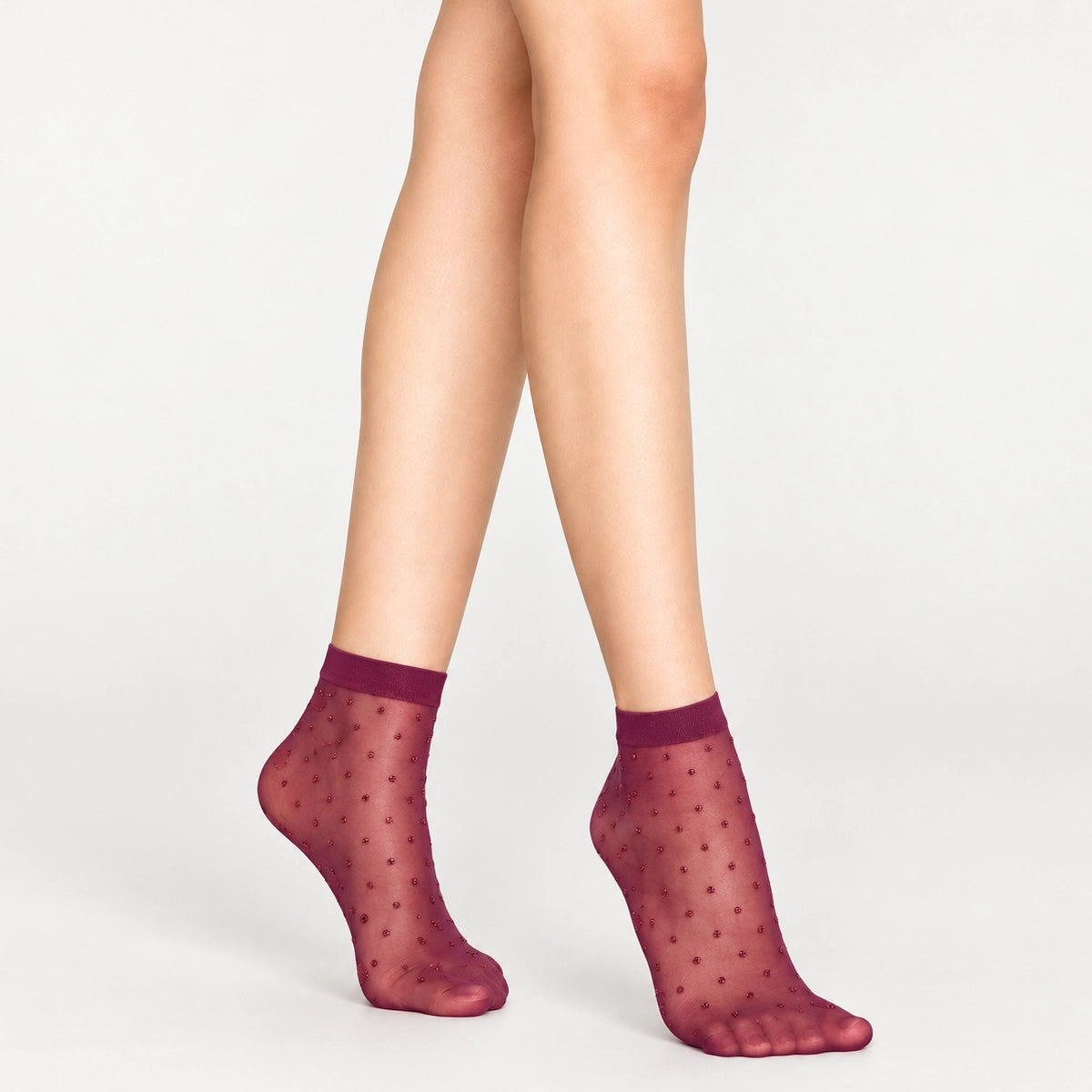
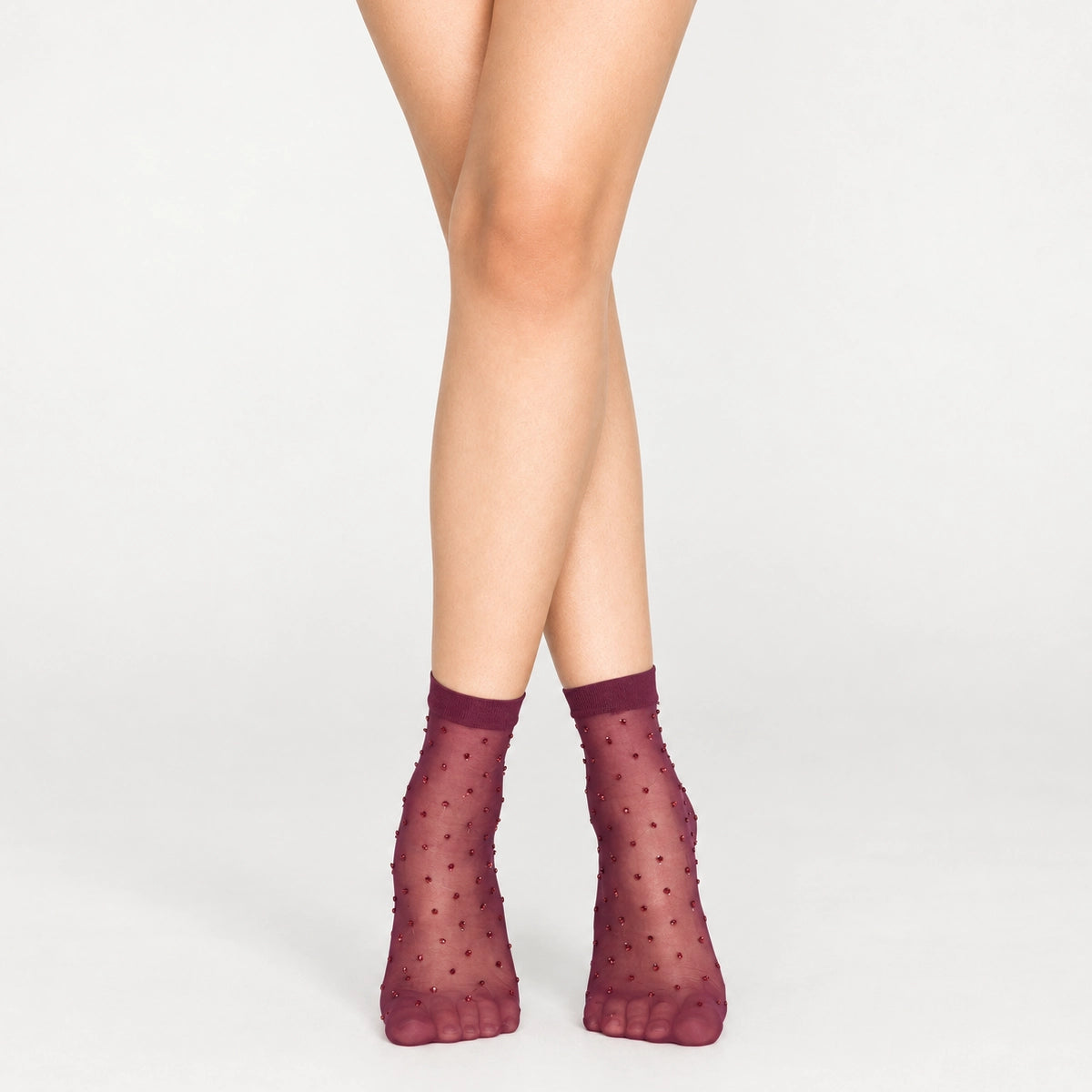
Women’s bamboo socks can be an appealing everyday option when you want a smooth, soft feel with a broad choice of lengths and colours. In hosiery, “bamboo” usually refers to a regenerated cellulose fibre such as viscose or rayon made from bamboo-derived pulp.
Key Takeaways
- Bamboo-derived viscose is valued for a smooth hand-feel, while comfort and moisture management depend on the complete blend and knit.
- Fit, shoe choice and sock construction matter as much as the headline fibre.
- Choose ankle, no-show or crew lengths according to the outfit and footwear.
- Follow the specific care label to protect shape, colour and elasticity.
Why Choose Bamboo Socks for Women?
Bamboo-derived viscose can feel silky and smooth against the skin. That hand-feel makes it popular for everyday socks, but it is important to separate properties of the bamboo plant from those of the finished textile. Breathability, moisture management, strength and durability depend on processing, fibre blend, yarn and knit construction.
Softness & Smooth Feel
A smooth fibre surface can contribute to a comfortable feel inside shoes. It does not guarantee freedom from blisters or irritation, because footwear fit, sock fit, activity and individual skin sensitivity also matter.
Breathability & Moisture Management
Some bamboo-derived sock blends are designed to manage moisture effectively, but performance varies by product. Look for the exact composition, knit and any ventilation features on the relevant product page rather than relying on claims about microscopic gaps or inherent plant properties.
Comfort & Everyday Wear
Bamboo-derived socks are fashion and comfort products, not treatments for fungal infections, pregnancy-related swelling, allergies or other medical conditions. If you have a medical foot or skin concern, use advice from a qualified health professional when choosing hosiery.
Where stated on the relevant product page, verified Uniq Socks bamboo styles hold OEKO-TEX® Standard 100 certification. This means the tested textile has been assessed for harmful substances against the standard’s criteria; it does not establish that a product is hypoallergenic or suitable for every skin type.
Toe construction also varies across the range. Some styles may use seamless or low-profile toe finishing, while others use different constructions. Check the individual product page for the exact feature set.
A Style Guide: How to Wear Bamboo Socks
The Invisible No-Show
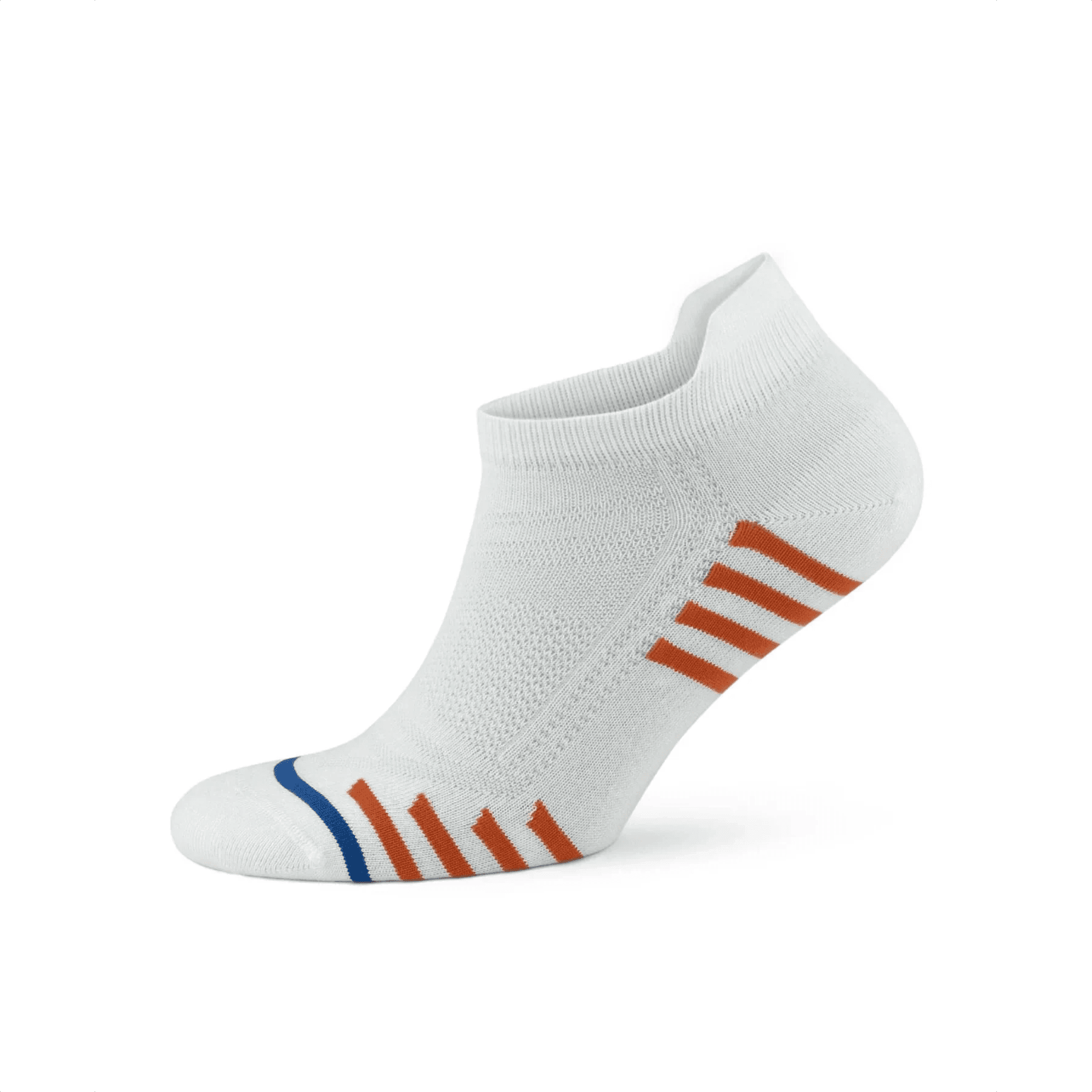
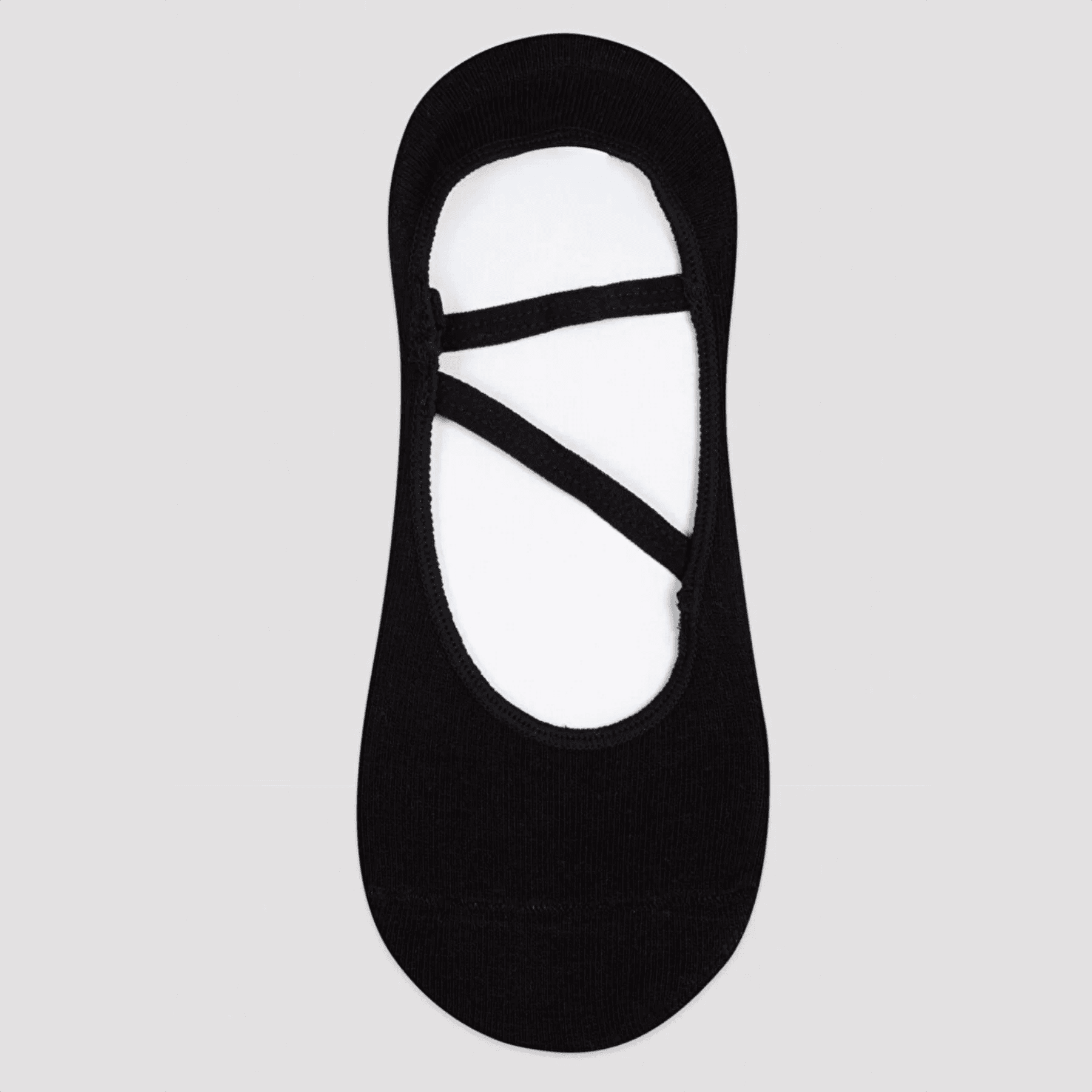
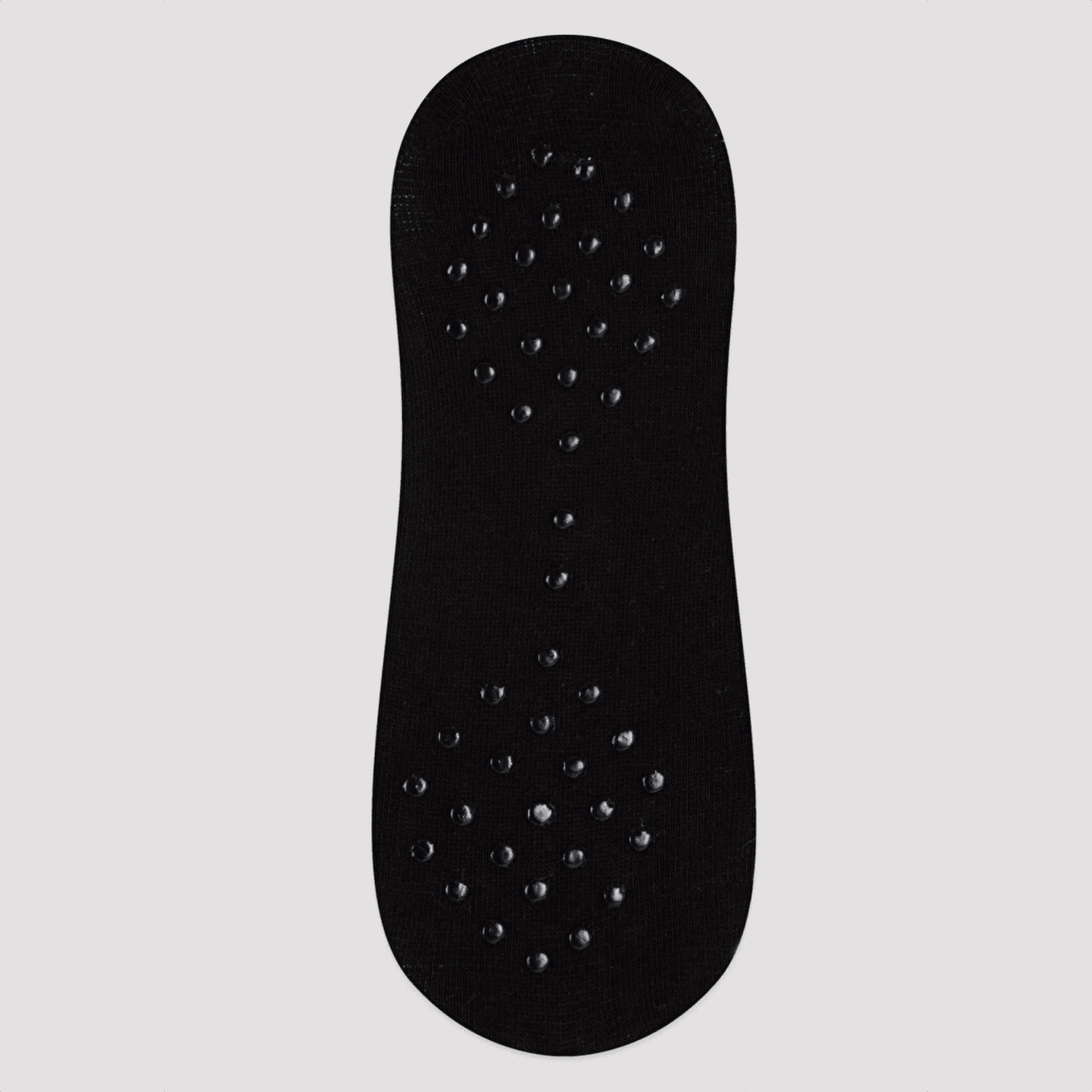
No-show socks work with loafers, flats and low-cut sneakers when you want the sock to remain discreet. Heel grips and other anti-slip features vary by product.
The Versatile Ankle Sock
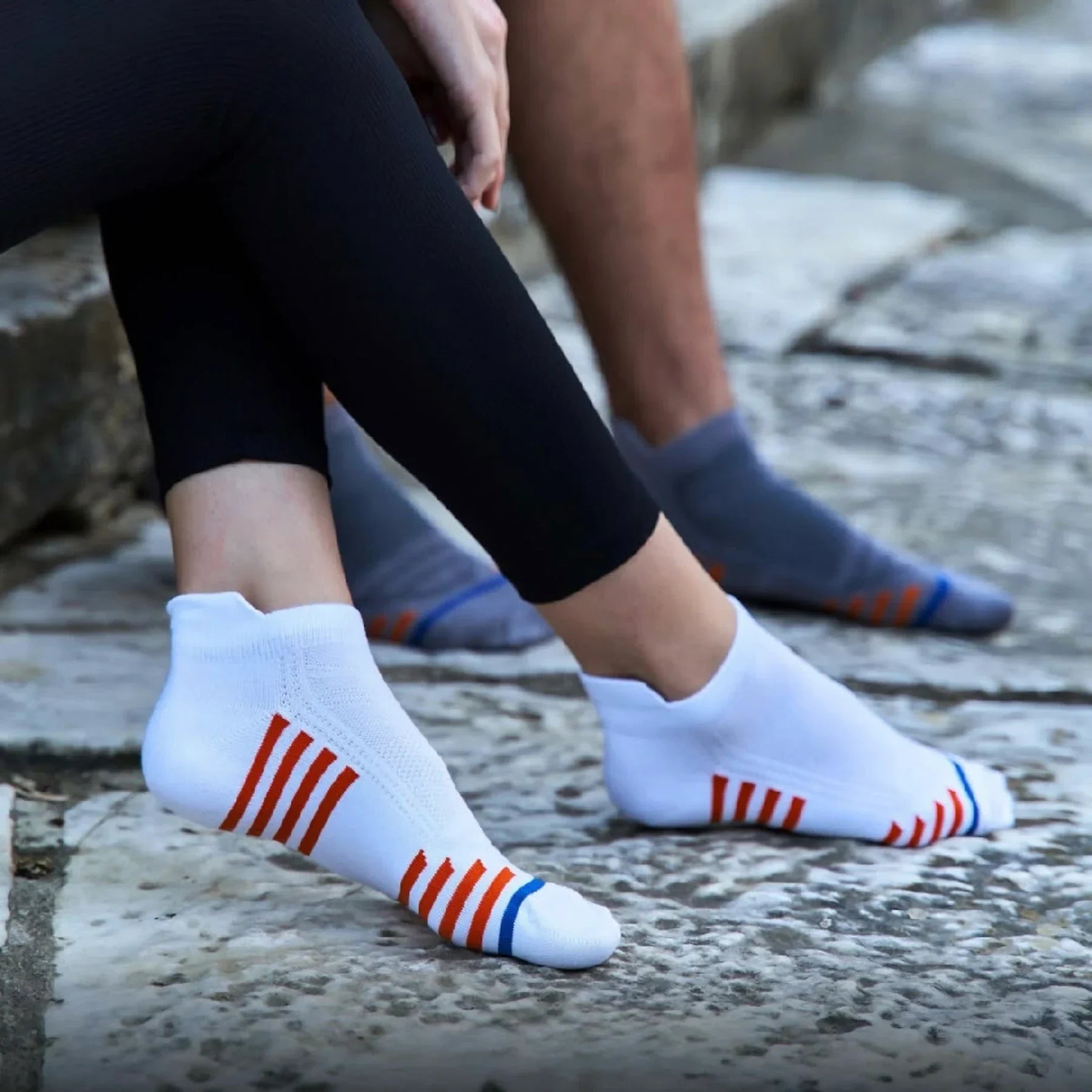
Ankle socks pair easily with trainers, sneakers and casual shoes. Colour or pattern can either blend into the outfit or become a visible styling detail.
The Crew Sock
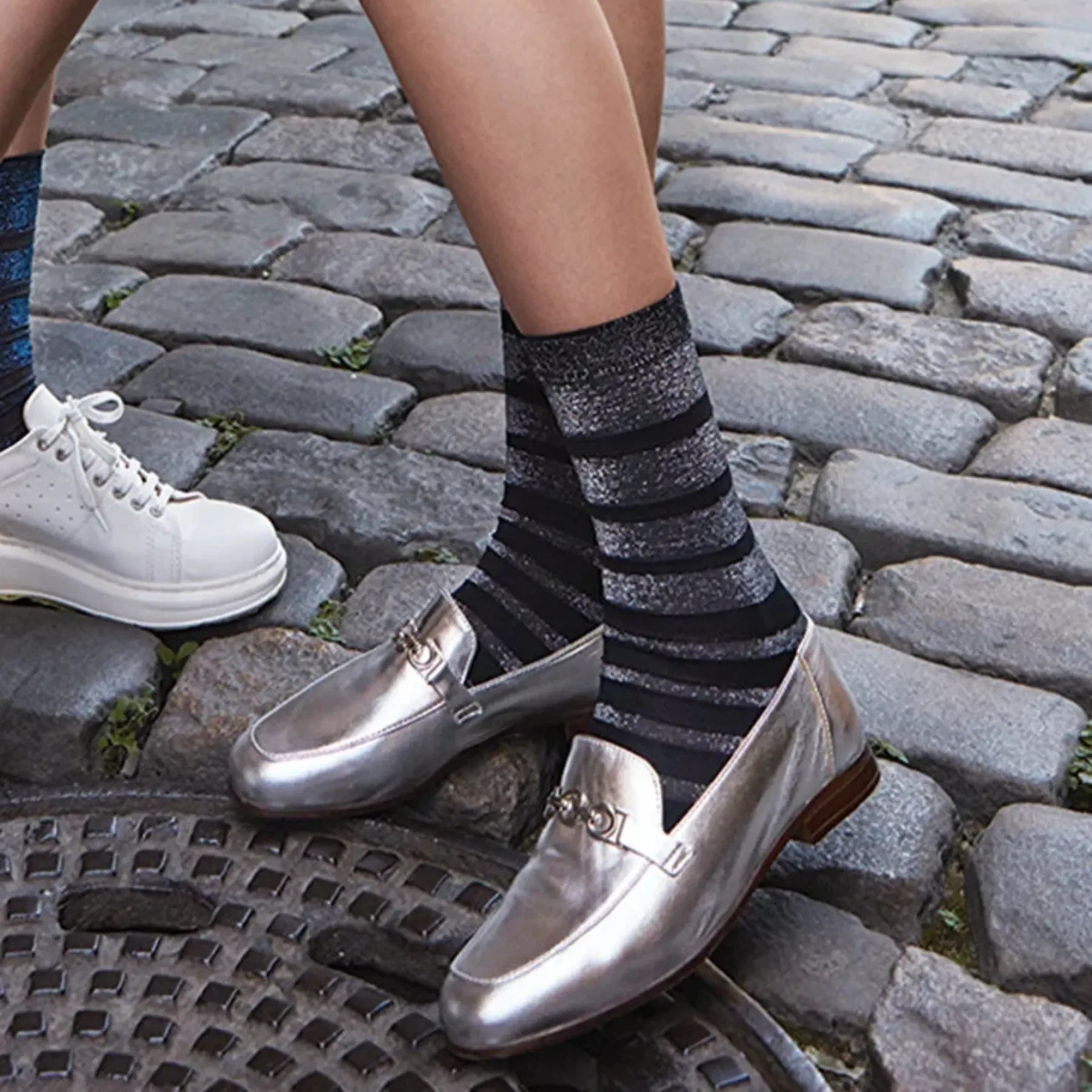
Crew socks can be styled visibly with sneakers, boots, skirts or trousers. Explore the women’s bamboo socks collection for current styles.
How to Choose the Best Bamboo Socks for You
There is no universal “ideal” bamboo percentage. Higher bamboo-derived viscose content may change hand-feel and moisture behaviour, while supporting fibres can add stretch, recovery and durability. Judge the full blend and construction for the intended use.
Look for Product-Specific Certification
Where OEKO-TEX® Standard 100 is stated for a specific product, it provides useful information about testing for harmful substances. It should not be treated as an organic, sustainability or medical certification.
Check Construction Details
Seamless toes, reinforced heels and toes, comfort cuffs, cushioning and arch support are product-specific features. Do not assume they apply across the whole Uniq Socks bamboo range.
Caring for Your Bamboo Socks to Make Them Last
Follow the care label on the individual pair. In general, avoiding unnecessary high heat and harsh treatment can help preserve elastic and fibre integrity. Washing requirements vary by blend, so product-specific instructions take priority over universal temperature rules.
Style Meets Everyday Comfort
Women’s bamboo socks can combine a refined feel with versatile styling, but the best pair is the one whose fibre blend, fit, construction and length match your needs. Explore the Uniq Socks women’s bamboo socks collection and check each product page for exact composition and features.
Frequently Asked Questions
Are bamboo socks better than 100% cotton socks for women?
Neither material is automatically better. Comfort depends on yarn, blend, knit, fit and activity. Bamboo-derived viscose often has a smooth hand-feel, while cotton offers familiar softness and versatility.
Are bamboo socks good for sweaty feet?
Some bamboo-derived blends are designed for moisture management, but results depend on the complete sock and footwear system. Avoid relying on fixed absorption multiples or inherent antimicrobial claims.
Do bamboo socks shrink after washing?
Shrinkage and shape change depend on fibre blend, construction and care. Follow the individual product care label and avoid excessive heat unless the instructions specifically permit it.
How sustainable is bamboo fabric?
Bamboo is a fast-growing plant, but the sustainability of a finished bamboo-derived textile also depends on fibre processing, chemicals, energy, dyeing, manufacturing, transport, durability and care. The fibre name alone is not enough to determine overall impact.
Can I wear bamboo socks for running or sport?
Yes, when the specific sock is designed for the activity. For sport, look at cushioning, fit, ventilation, seam profile and moisture management as well as fibre composition.
What is the difference between bamboo and wool socks?
Bamboo-derived viscose is often selected for a smooth, lightweight feel, while wool and alpaca blends are commonly chosen for warmth and cold-weather comfort. Exact performance varies by product.