Durable men’s dress socks depend on fibre quality, knit density, fit, reinforcement, footwear and care. No material guarantees a longer life on its own, so the best buying decision comes from assessing the complete sock.
What Does 'Durable' Really Mean for a Dress Sock?
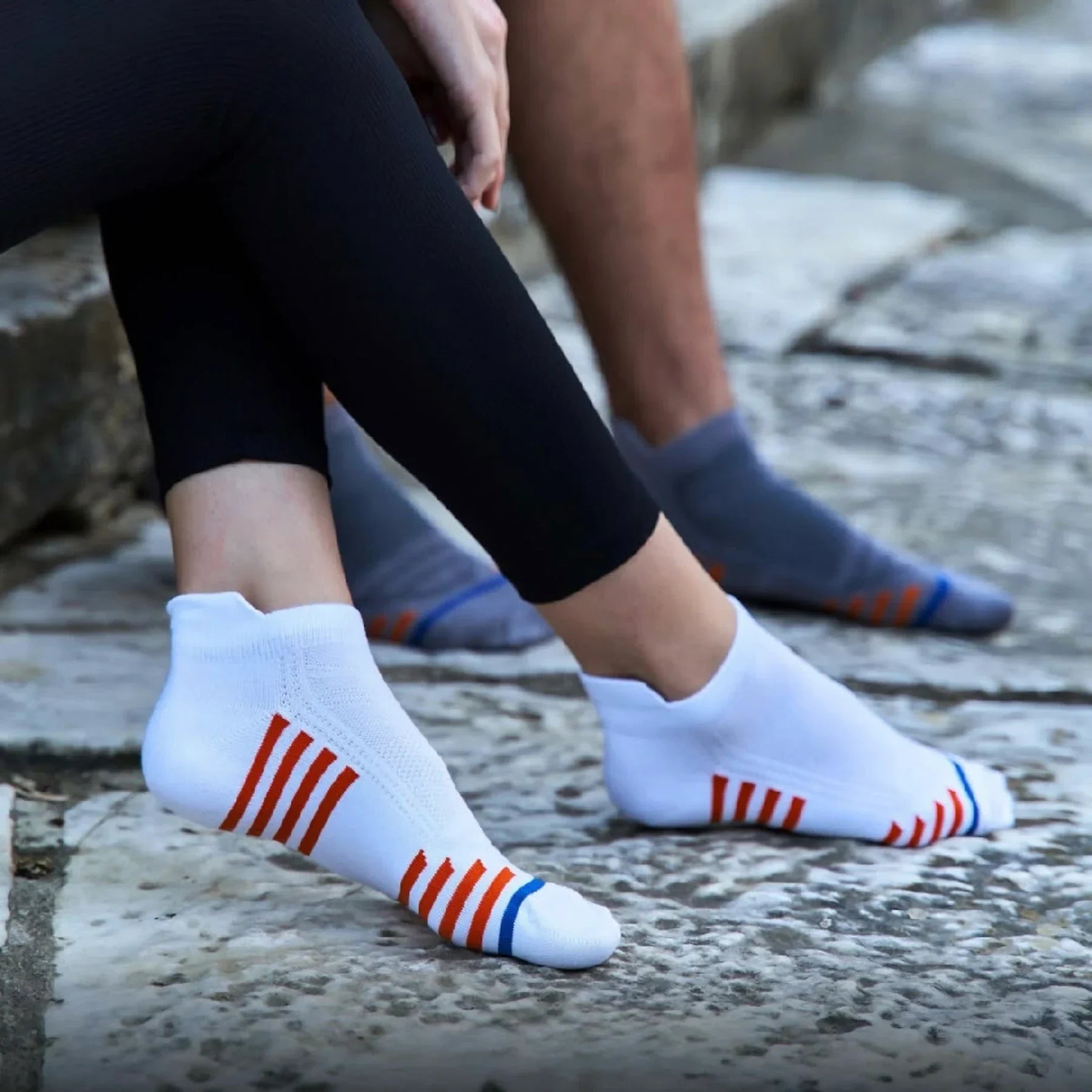
Durability includes resistance to thinning and holes, shape retention and how well colour and finish hold up with appropriate care. High-friction areas such as the heel, ball of the foot and toe often show wear first, particularly if shoes are tight or the sock does not fit correctly.
Wear Resistance
Reinforced zones can improve abrasion resistance where they are actually built into the product. Fibre length and yarn quality can also matter, but there is no universal rule that one natural fibre automatically outlasts another.
Shape Retention & Colour
Elastic recovery, knit density, dyeing and care influence how a sock holds its shape and appearance. Product-specific construction matters more than broad promises about bamboo or cotton.
Materials for Long-Lasting Men's Dress Socks
Bamboo-Derived Viscose
Bamboo-derived viscose can provide a smooth hand-feel. Its strength, moisture behaviour and durability depend on the complete blend, yarn and knit; it should not be described as inherently antibacterial or automatically more durable than cotton.
Premium & Mercerised Cotton
Higher-quality cotton yarns and mercerised cotton can offer a refined finish. Mercerisation can change lustre, dye uptake and fibre properties, but the finished sock’s durability still depends on construction and use.
Alpaca Wool & Blends
Alpaca blends can offer warmth and softness. Supporting fibres such as polyamide or elastane may be included for stretch, recovery or abrasion resistance. Check the exact blend on the product page.
Beyond Fabric: Construction Details That Matter
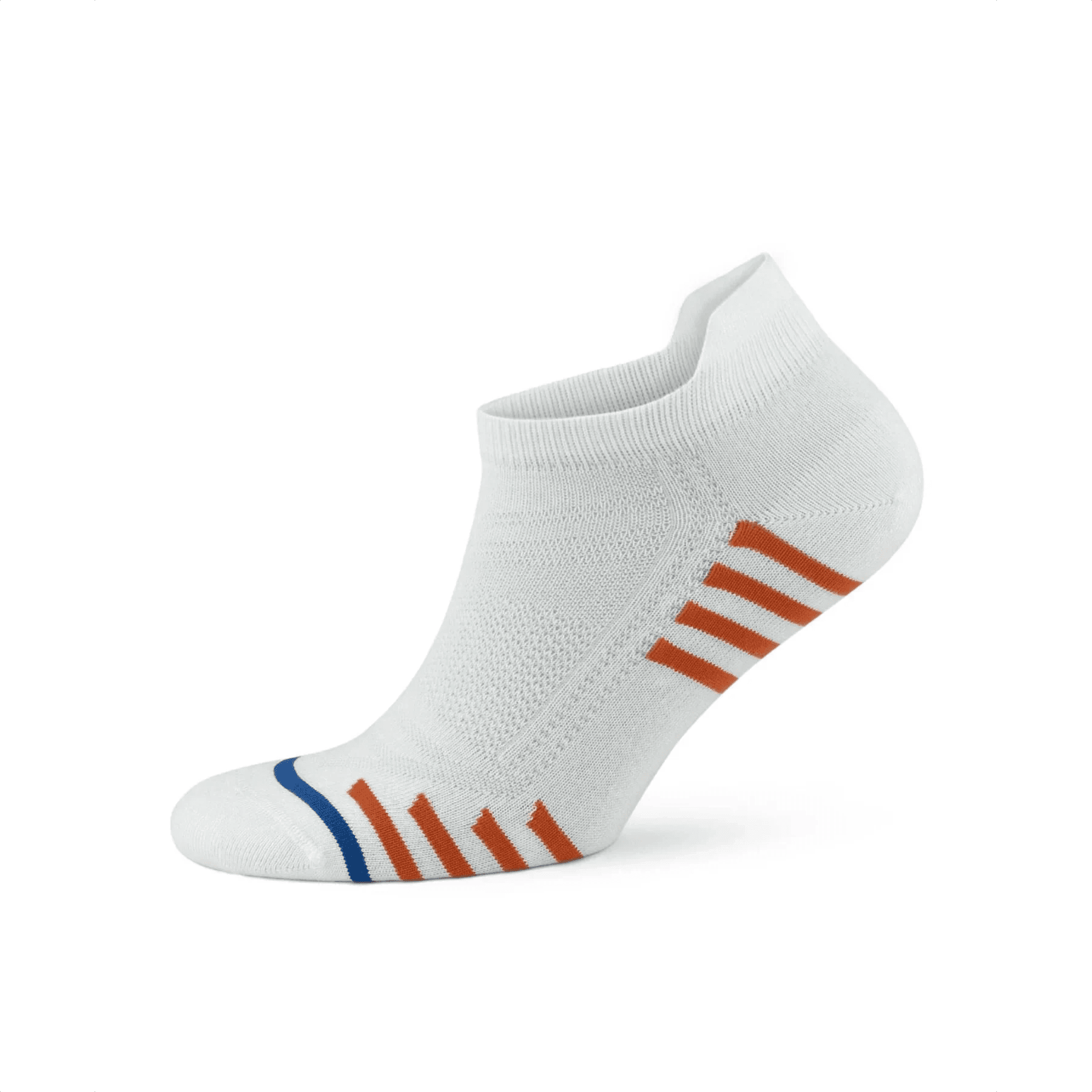
Reinforced heels and toes: useful where the product specifically includes them.
Dense, fine knitting: can contribute to a smooth dress-sock feel, though needle count alone does not guarantee longevity.
Low-profile toe construction: can improve comfort for some wearers, but seamless or hand-linked toes are product-specific rather than universal Uniq Socks features.
Your Checklist for Buying and Caring for Durable Socks
- Check the exact fibre composition.
- Look for reinforcement where you need it.
- Choose the correct size and suitable shoe fit.
- Confirm toe, cuff and cushioning construction on the product page.
- Follow the care label.
Avoid blanket washing rules. Different cotton, bamboo-derived and alpaca blends can require different care, so the individual label should take priority.
The Uniq Socks Difference: Style & Considered Construction
Uniq Socks offers men’s dress socks across different materials, patterns and constructions. We do not claim that every pair is seamless, reinforced, identically dyed or built with the same technical features.
Where stated on the relevant product page, verified Uniq Socks bamboo and cotton styles hold OEKO-TEX® Standard 100 certification, meaning the tested textile has been assessed for harmful substances against the standard’s criteria.
Frequently Asked Questions
Are bamboo socks more durable than cotton socks? Not as a general rule. Durability depends on fibre quality, blend, knit, reinforcement, fit and care.
How can I reduce holes in the toe? Choose the correct size, make sure footwear fits properly, keep toenails smooth and look for product-specific toe reinforcement where desired.
Is it worth paying more for dress socks? Price alone does not guarantee longevity. Evaluate material, construction, fit and verified product details.
How should I wash dress socks? Follow the individual care label and avoid unnecessary high heat if the product instructions do not permit it.
Do seamless toe socks last longer? A smoother toe may improve comfort, but it does not by itself guarantee greater durability.
What does OEKO-TEX® Standard 100 mean? It means the tested textile has been assessed for harmful substances against the standard’s criteria. It is not a general durability or sustainability certification.