Socks that slip down are usually dealing with a combination of fit, shoe shape, elastic recovery and construction. The right solution depends on the sock style rather than on one universal “stay-up” technology.
Why Socks Slip Down
A sock can bunch or slide when it is too large, overstretched, poorly matched to the shoe, or when its elastic or grip components have lost recovery. Foot and heel shape can also affect how a no-show or ankle sock sits.
Fit and Sizing
Use the brand’s current size chart and choose the size intended for your foot or shoe measurement. A sock that is too loose can bunch; one that is too small can be pulled under tension and may also move out of position.
Material and Elastic Recovery
Supporting fibres such as elastane can contribute stretch and recovery, but performance depends on the complete blend, knit and construction. Natural and synthetic fibres each play different roles, so no single fibre should be treated as the key to a stay-up fit.
Where stated on the relevant product page, verified Uniq Socks bamboo and cotton styles hold OEKO-TEX® Standard 100 certification, meaning the tested textile has been assessed for harmful substances against the standard’s criteria.
Stay-Up Features to Look For
1. Heel Grips
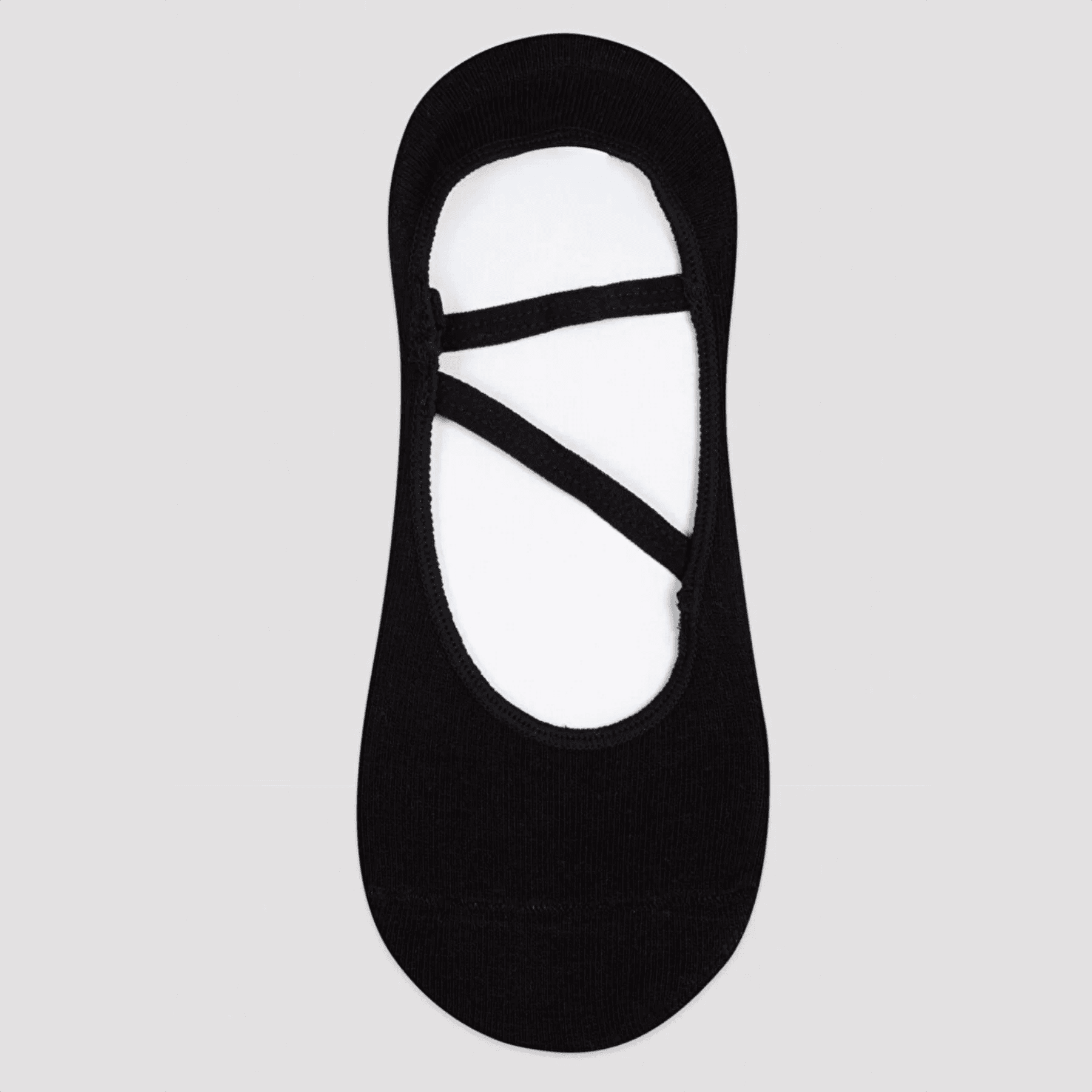
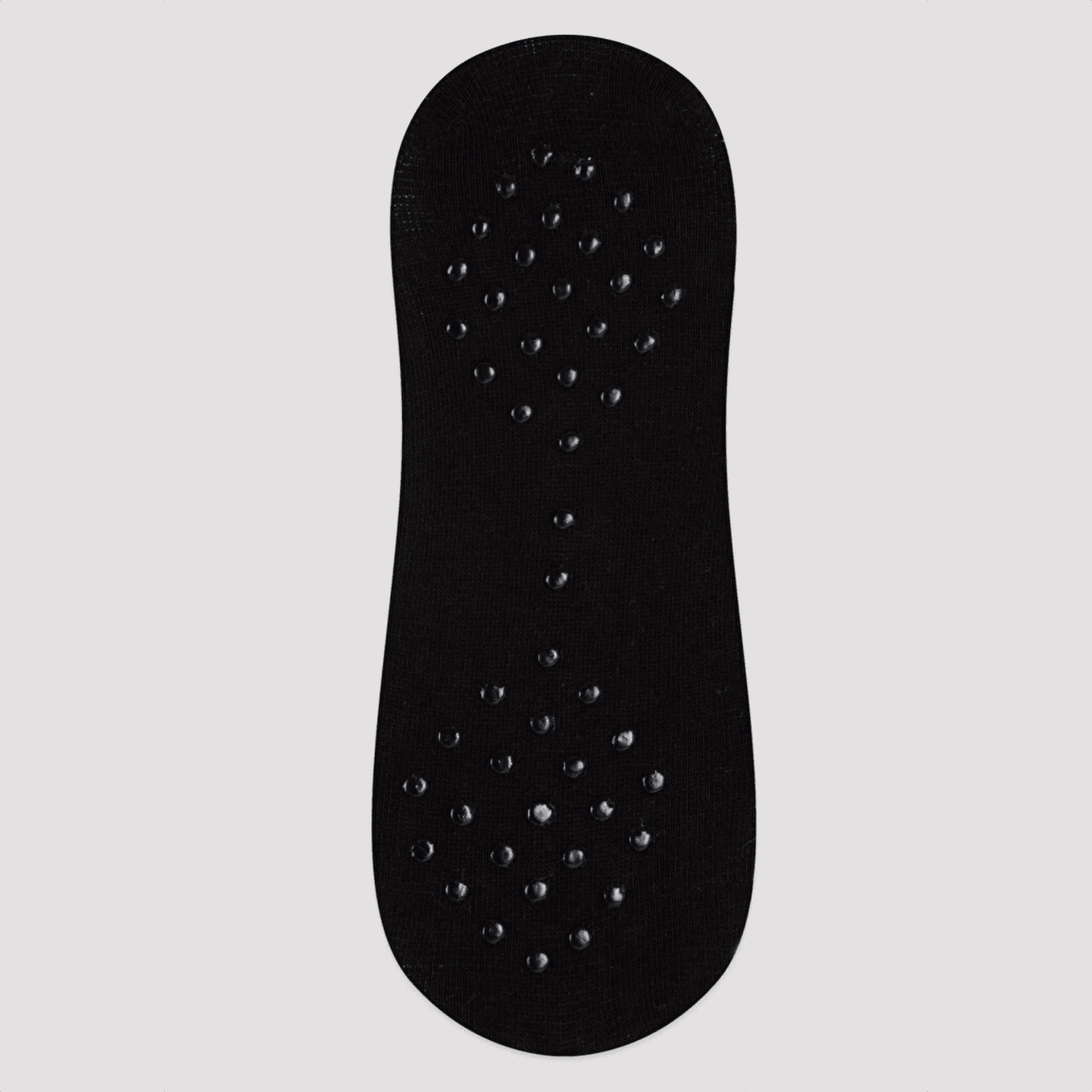
Some no-show socks use silicone or other grip material at the heel to add friction against the skin. Grip size, placement and effectiveness vary by product, and no grip design is universally slip-proof.
2. Ribbed Cuffs and Arch Bands
A ribbed cuff or midfoot band can help a sock sit securely where the specific product includes one. It should feel comfortable rather than excessively tight. Ordinary fashion socks should not be described as medical compression products or as improving circulation.
3. Shaped Heel Construction
A shaped heel pocket can help a sock follow the contours of the foot. Y-shaped or other heel constructions are product-specific features and should only be claimed where the individual sock is built that way.
Matching Socks to Your Shoes
Loafers, Ballet Flats and Low-Profile Shoes
Choose a no-show cut that remains concealed by the shoe and check whether the product specifies heel grips or another stay-up feature. Lower-vamp ballet flats and loafers may need a lower-cut liner than sneakers or higher-vamp shoes.
Sneakers and Athletic Shoes
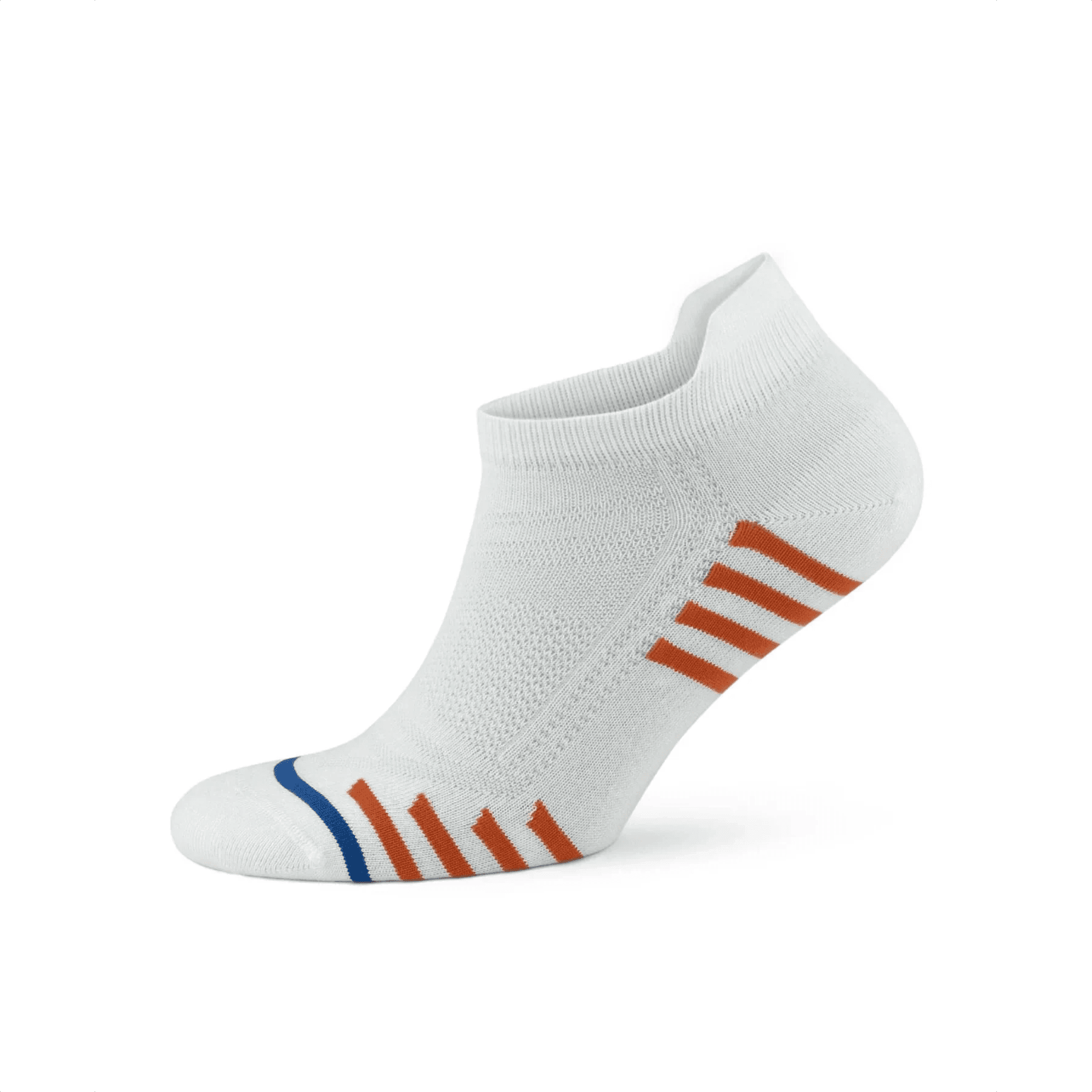
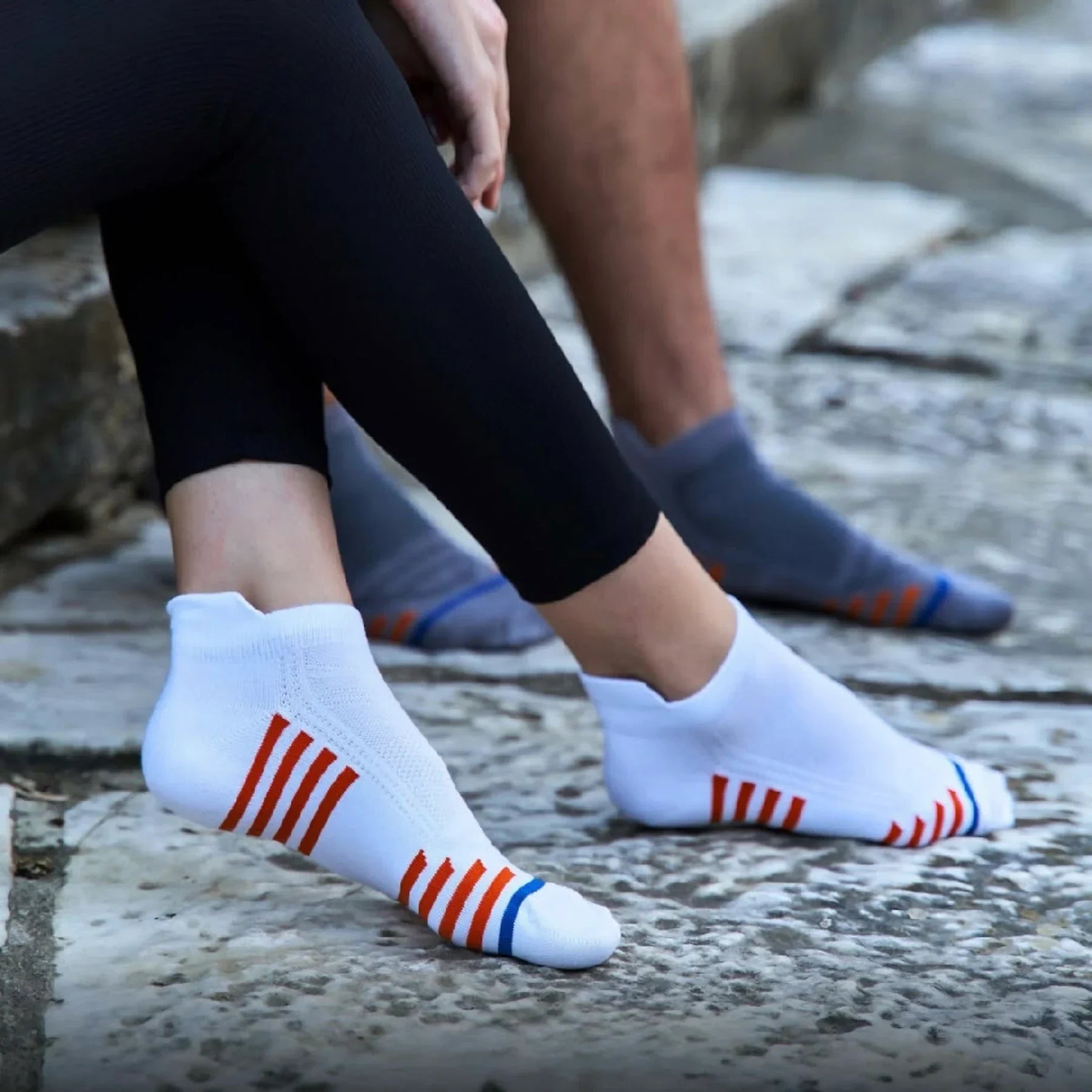
Ankle or quarter-length socks can work well. For sport, compare product-specific fit, ventilation, cushioning and support details rather than assuming every athletic sock includes an arch band or heel tab.
Boots and High-Tops
Crew or longer socks usually provide more coverage inside boots. Check cuff fit, thickness and any reinforced areas against the available space in the footwear.
Care and Troubleshooting
Follow the individual care label. Excessive heat can affect some elastic and grip components, but washing and drying instructions vary by fibre blend and construction, so a universal cold-wash or air-dry rule should not override the product instructions.
If a new sock still slips, reassess the size, shoe fit, heel shape and sock cut before assuming the product is defective.
The Uniq Socks Approach
Uniq Socks offers no-show, ankle, crew and longer styles with different constructions. Heel grips, Y-shaped heel pockets, seamless toes, arch bands and reinforced areas are product-specific rather than blanket features across every pair.
- For loafers, ballet flats and low-cut footwear, explore the No-Show & Invisible Socks collection.
- For detailed fit guidance, read Best No-Show Socks for Loafers: Fit & Stay-Up Guide.
Frequently Asked Questions
Do silicone grip socks work? Heel grips can add friction and help some socks remain in position, but performance varies with fit, grip design, skin, shoe and heel shape.
Why do ankle socks slip more easily than crew socks? Lower-cut socks have less fabric extending up the leg, so their fit around the heel and shoe can have a greater influence on whether they stay in place.
Can the wrong size make a sock slip? Yes. Both excess fabric and excessive stretch can contribute to movement inside the shoe.
How do I stop socks slipping in boots? Use the correct size and choose a height and cuff construction suited to the boot. Avoid overly tight cuffs, especially if you have a medical circulation concern.
Are bamboo or cotton socks better for staying up? Stay-up performance depends more directly on fit, elastic recovery and construction than on the headline fibre.
Does heat damage sock elasticity? Excessive heat can affect some elastic fibres, but always follow the individual care label rather than applying one rule to every sock.
What should I look for in no-show socks that stay up? Check the correct size, shoe-compatible cut, heel construction and any product-specific grip feature.