Organic cotton socks can be a comfortable, versatile part of a women’s wardrobe. The most useful way to evaluate them is to separate verified product facts from broad claims about organic farming, skin sensitivity or durability.
Key Takeaways
- “Organic cotton” should be supported by product-specific sourcing or certification rather than assumed from marketing language.
- Softness, breathability and durability depend on fibre quality, yarn, knit, blend, fit and care.
- GOTS and OEKO-TEX® Standard 100 are different certifications and should not be used interchangeably.
- Check each Uniq Socks product page for the exact composition, construction and verified certification information.
What Are Organic Cotton Socks?
Organic cotton refers to cotton produced under an organic farming standard. The exact requirements depend on the applicable certification or sourcing system. Organic status does not automatically mean a finished sock is hypoallergenic, chemical-free, more durable or suitable for every skin condition.
From Fibre to Finished Sock
The final feel and performance of a sock are shaped by more than how the cotton was grown. Yarn quality, spinning, dyeing, knitting, supporting fibres, finishing and care all influence softness, stretch and longevity.
Decoding the Labels: GOTS vs. OEKO-TEX®
GOTS is an organic textile standard with requirements covering certified organic fibres and processing. A GOTS claim should only be made when the specific product or supply chain is independently verified to that standard. We do not use GOTS as a blanket claim for Uniq Socks products.
OEKO-TEX® Standard 100 focuses on testing textiles for harmful substances. Where stated on the relevant product page, verified Uniq Socks cotton styles hold this certification. OEKO-TEX® Standard 100 does not certify cotton as organic and is not a general sustainability certification.
Comfort Benefits to Consider
Softness & Breathability
Cotton is valued for a familiar, soft feel and can be comfortable for everyday wear. Breathability and moisture behaviour vary with yarn, knit, thickness and blend, so organic cotton is not automatically drier or more breathable than every conventional or blended alternative.
Sensitive Skin
No cotton sock should be described as universally hypoallergenic or as treatment for eczema, allergies or other skin conditions. If you have a medical skin concern, choose products according to professional advice and your own tolerance.
Durability
Organic certification does not guarantee a longer lifespan. Durability depends on fibre quality, yarn, knit construction, reinforcement, fit, wear conditions and care.
From Sneakers to Boots: A Style Guide to Women's Organic Cotton Socks
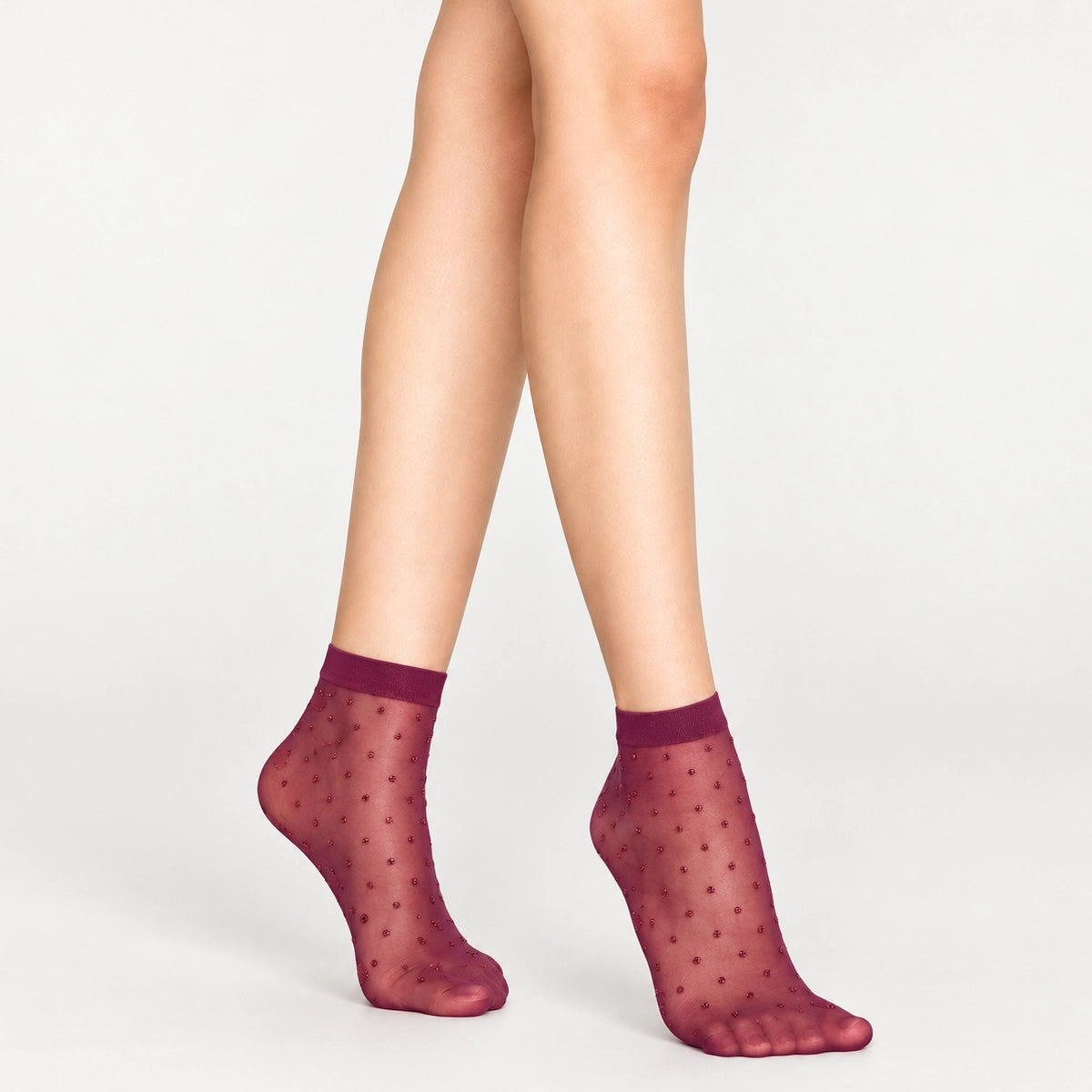
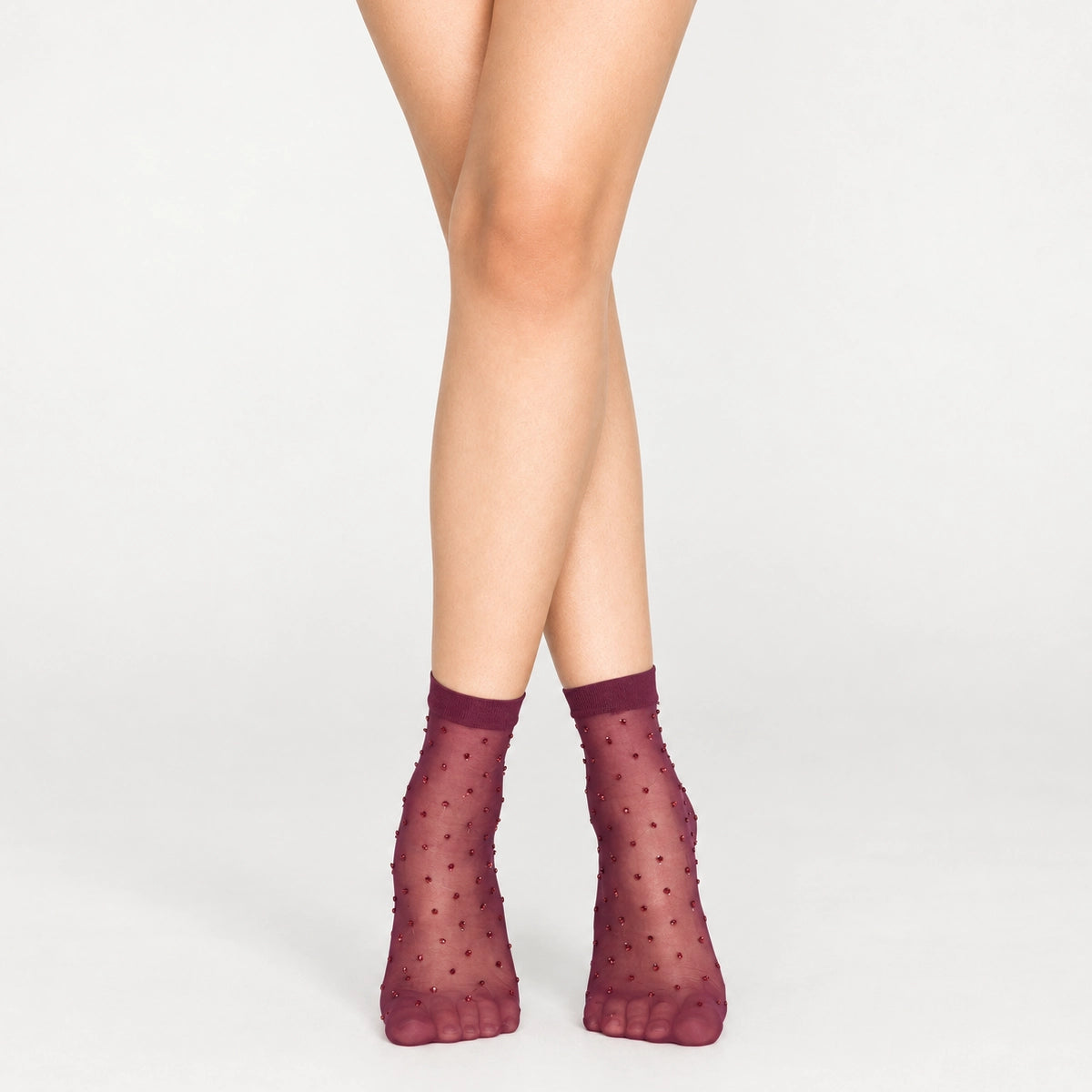
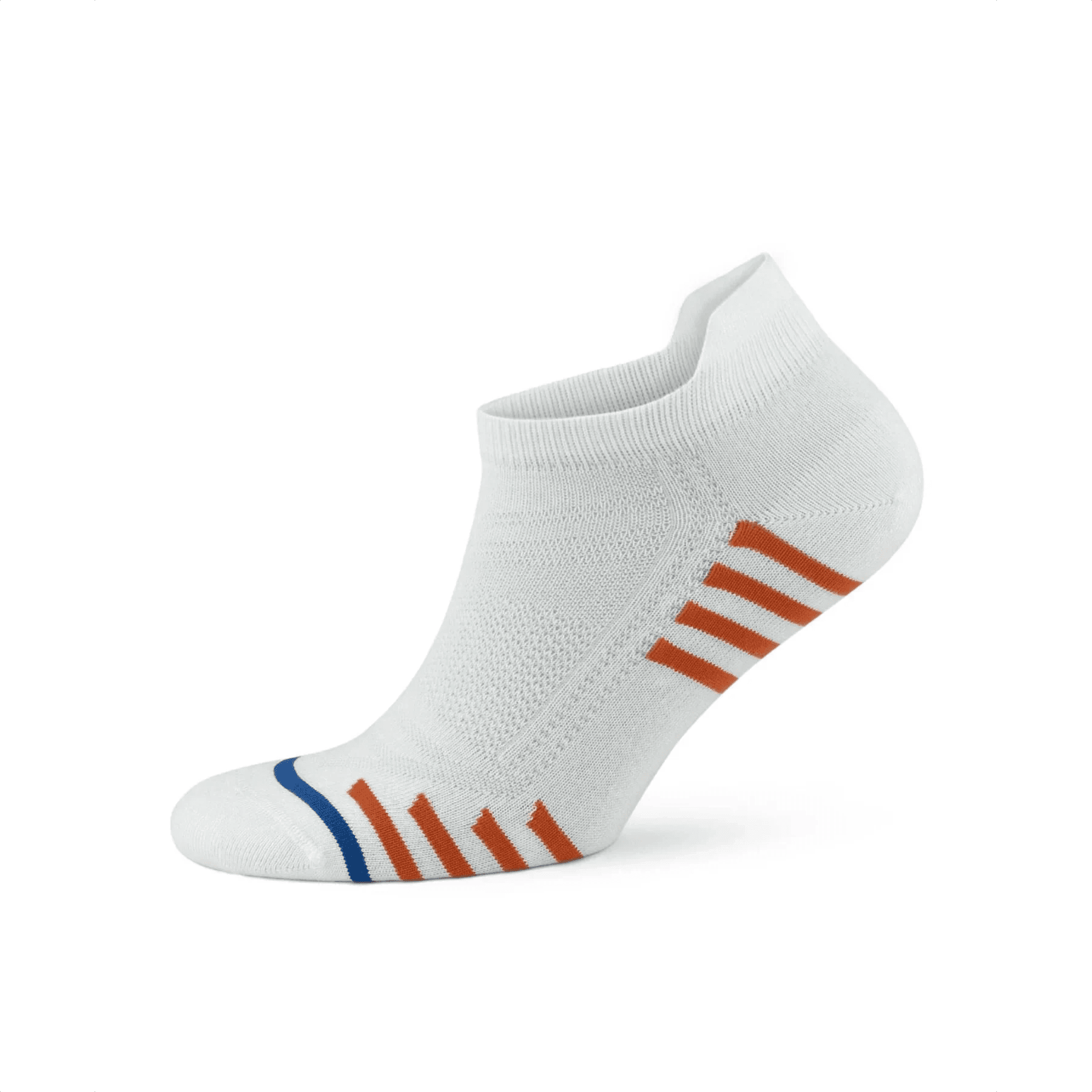
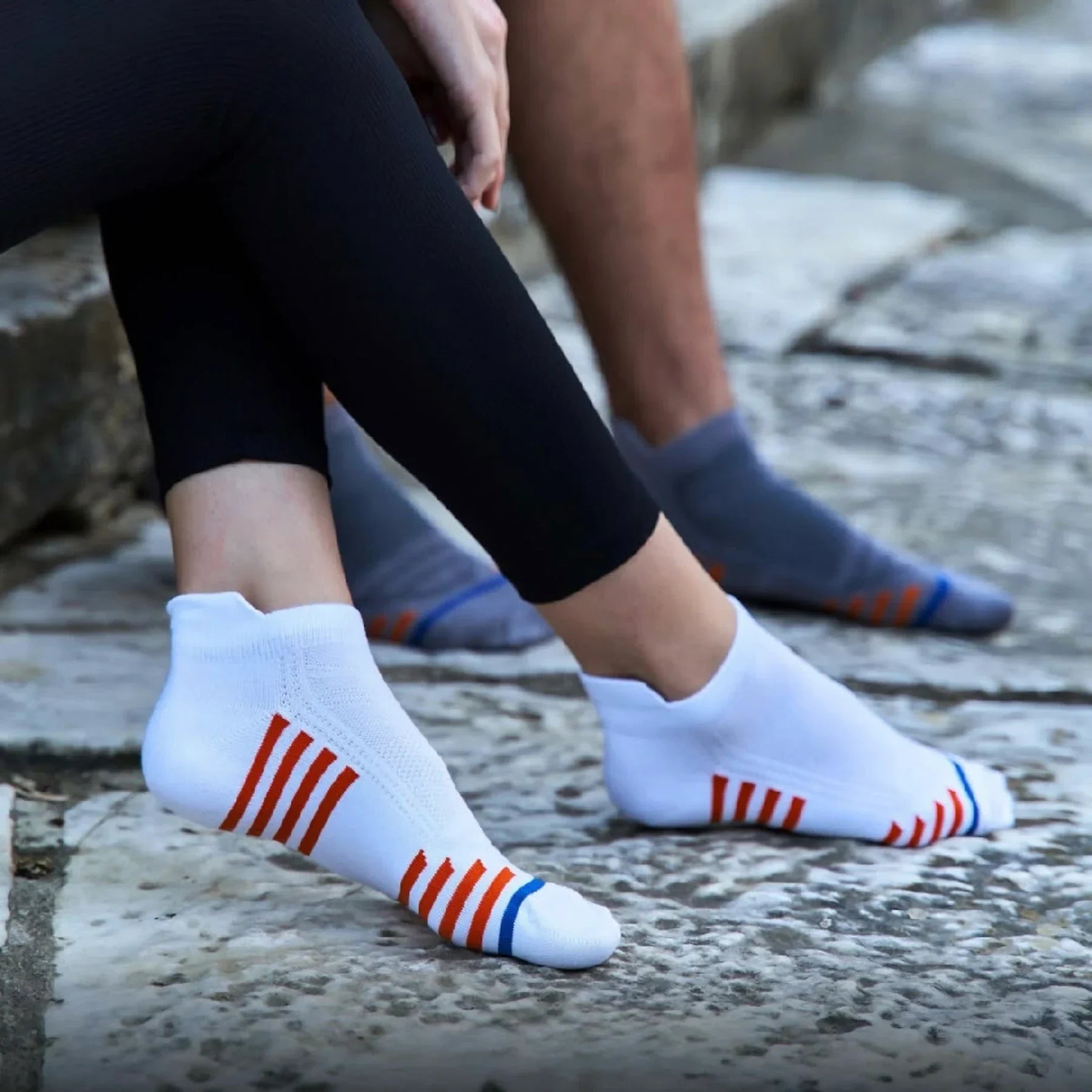
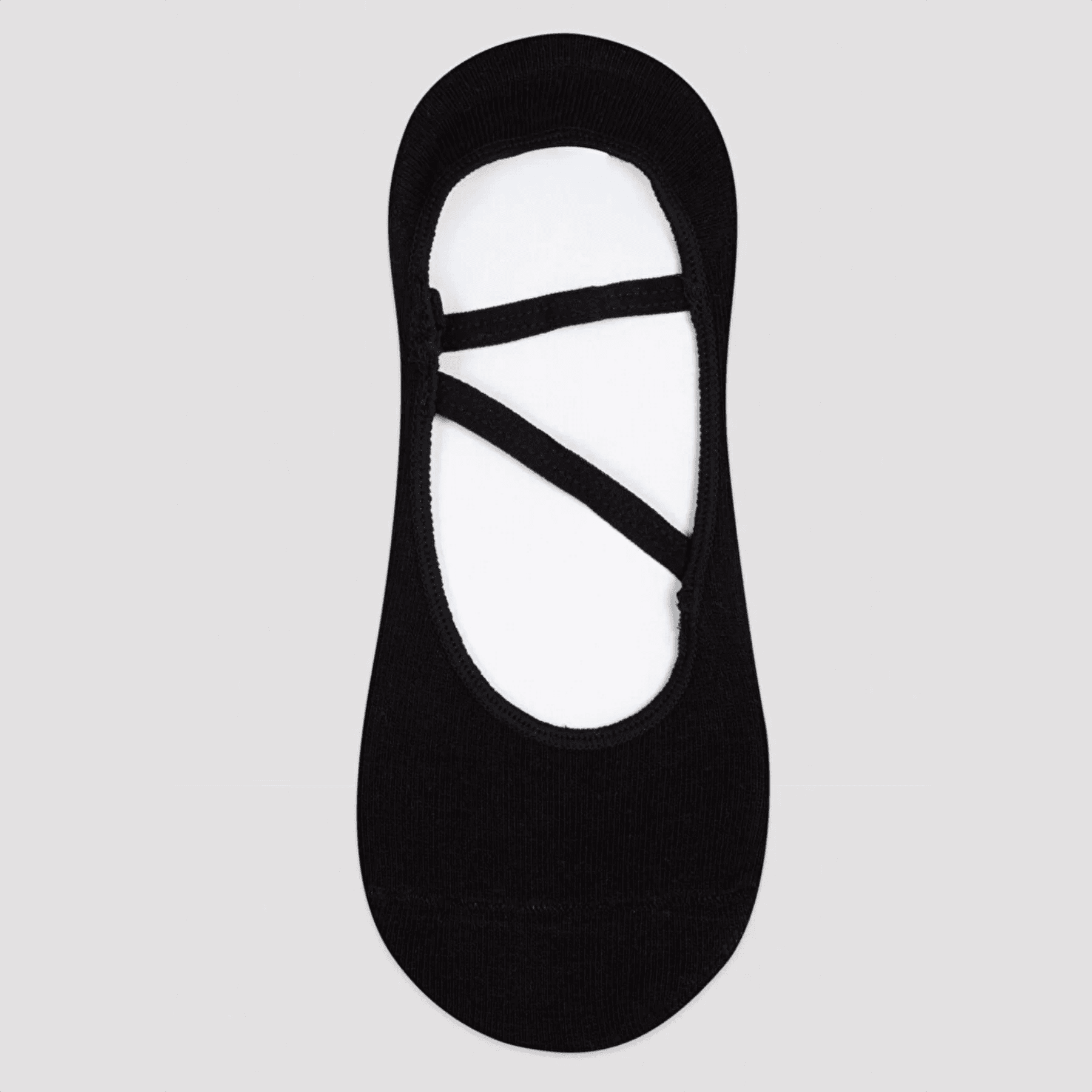
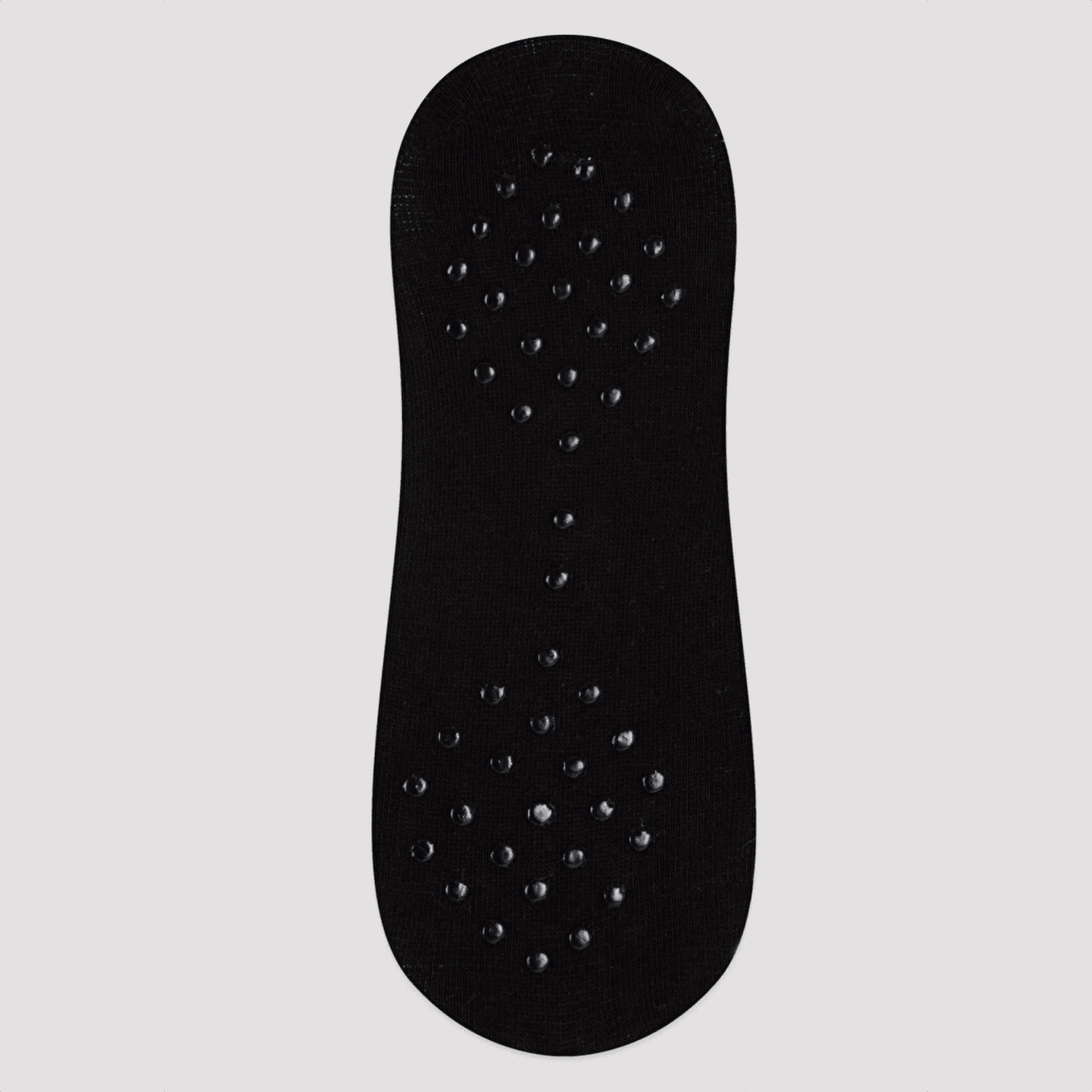
Crew and ankle socks can add colour, texture or a quieter finishing detail to sneakers, boots and loafers. No-show socks can work where you want a bare-ankle look, but heel grips and other stay-up features vary by product.
Your Smart Shopper's Checklist
- Confirm the exact fibre composition.
- Look for product-specific organic and certification information rather than blanket claims.
- Check whether seamless toes, cushioning, reinforcement or arch support are actually specified for that style.
- Use the size guide and follow the care label.
Discover Uniq Socks: Style Meets Cotton Comfort
Uniq Socks offers selected cotton and organic cotton styles alongside bamboo, alpaca wool and statement hosiery. We do not claim that every cotton product is GOTS-certified, seamless, cushioned or identically constructed.
Where a specific cotton product is verified as OEKO-TEX® Standard 100 certified, the tested textile has been assessed for harmful substances against the standard’s criteria.
Explore women’s cotton socks and check each product page for exact attributes.
Frequently Asked Questions
Are organic cotton socks better for sweaty feet?
Not automatically. Cotton can feel comfortable, but moisture management depends on the complete blend, knit, footwear and activity.
How do I wash organic cotton socks?
Follow the individual product care label. Avoid unnecessarily high heat unless the instructions permit it.
Is organic cotton always softer than regular cotton?
No. Softness depends on fibre length and quality, yarn, knit and finishing as well as sourcing method.
What does OEKO-TEX® Standard 100 mean for socks?
It means the tested textile has been assessed for harmful substances against the standard’s criteria. It does not certify the cotton as organic or guarantee suitability for every person.
Are organic cotton socks more durable?
Organic status alone does not determine durability. Construction and care are more direct factors.
Can organic cotton socks be worn for sport?
They can be suitable for some activities when the specific sock’s fit, cushioning, ventilation and construction match the use. High-intensity activity may call for a more technical blend.
What is the difference between organic cotton and bamboo socks?
Cotton offers familiar softness and versatility, while bamboo-derived viscose often has a smoother hand-feel. The better choice depends on the specific product and intended use.