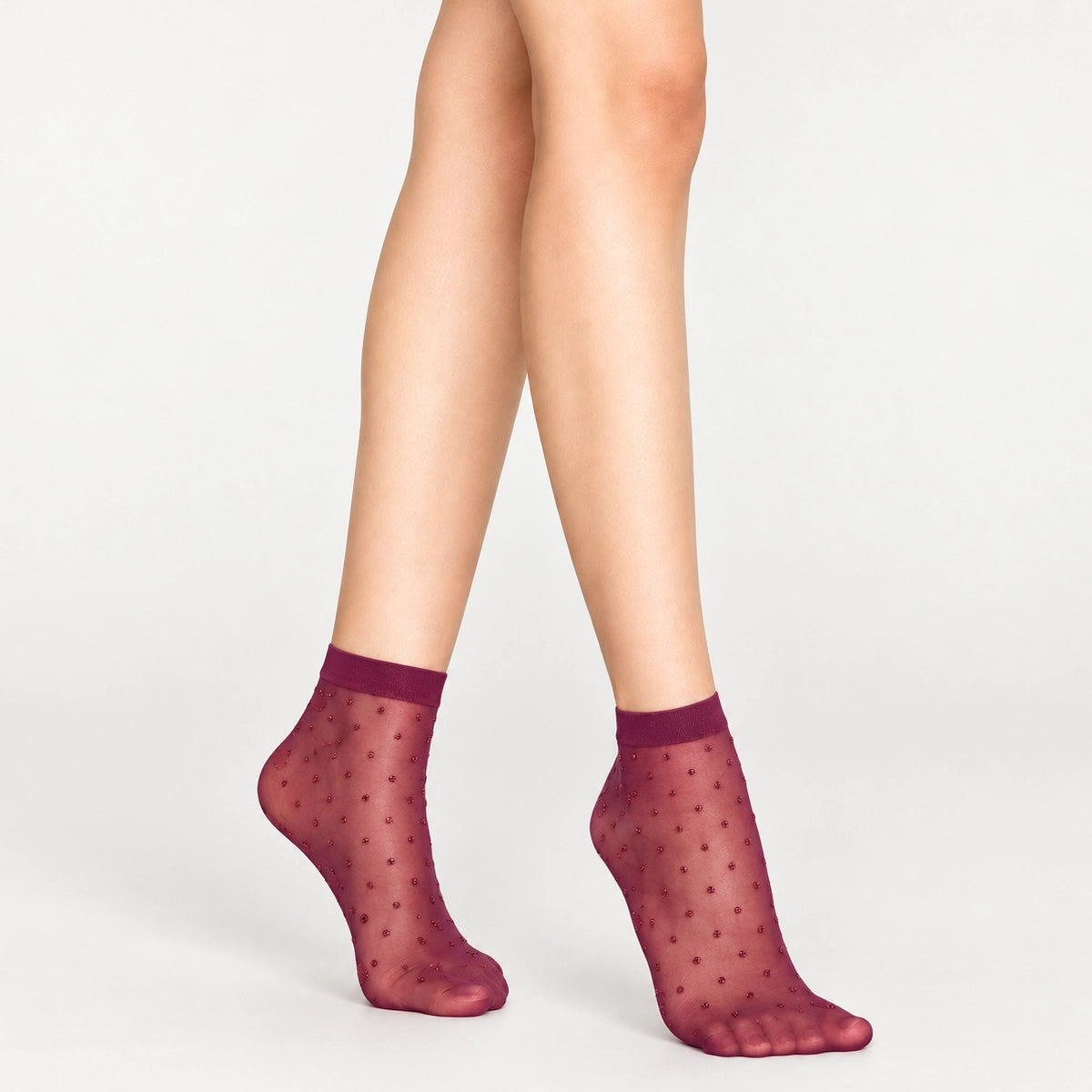
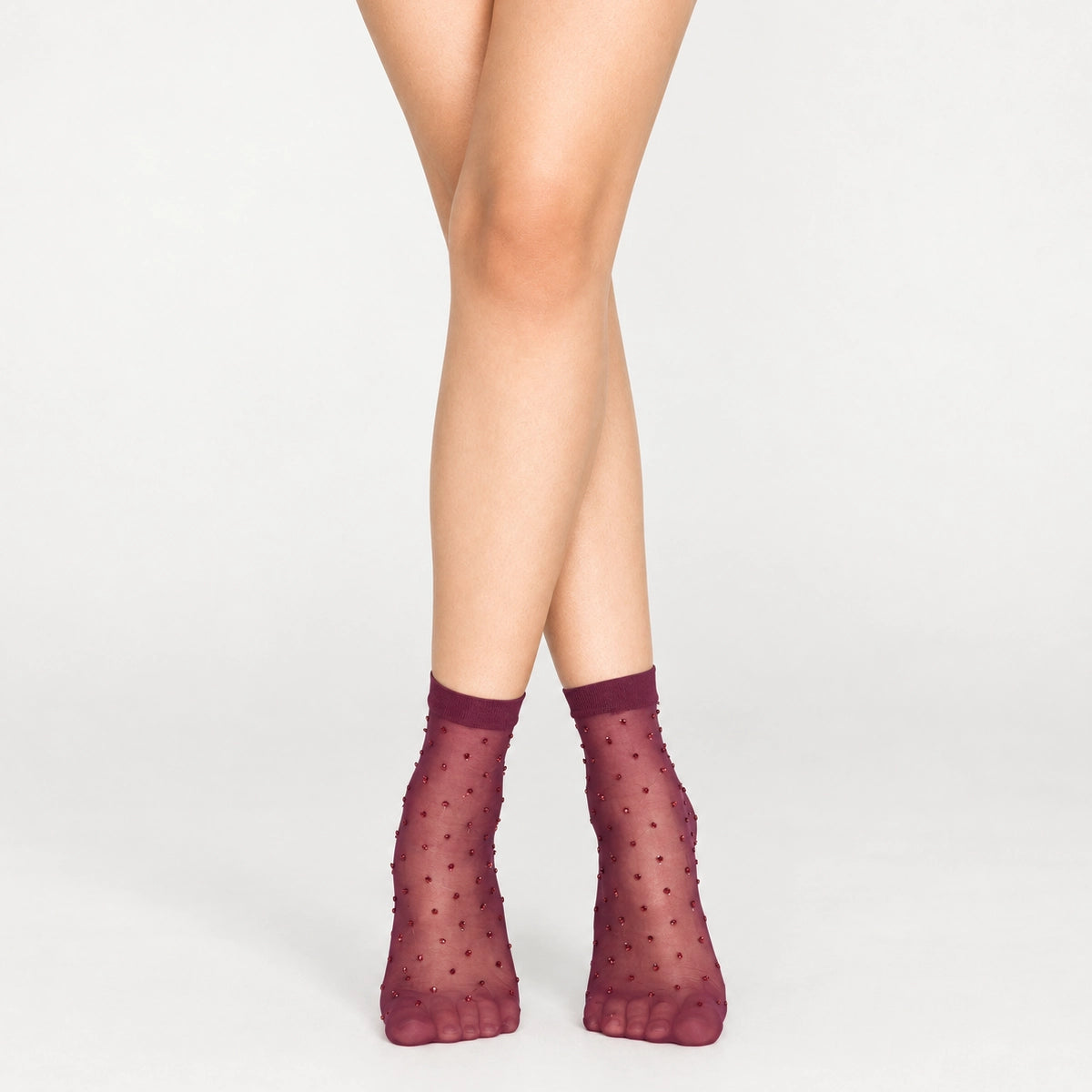
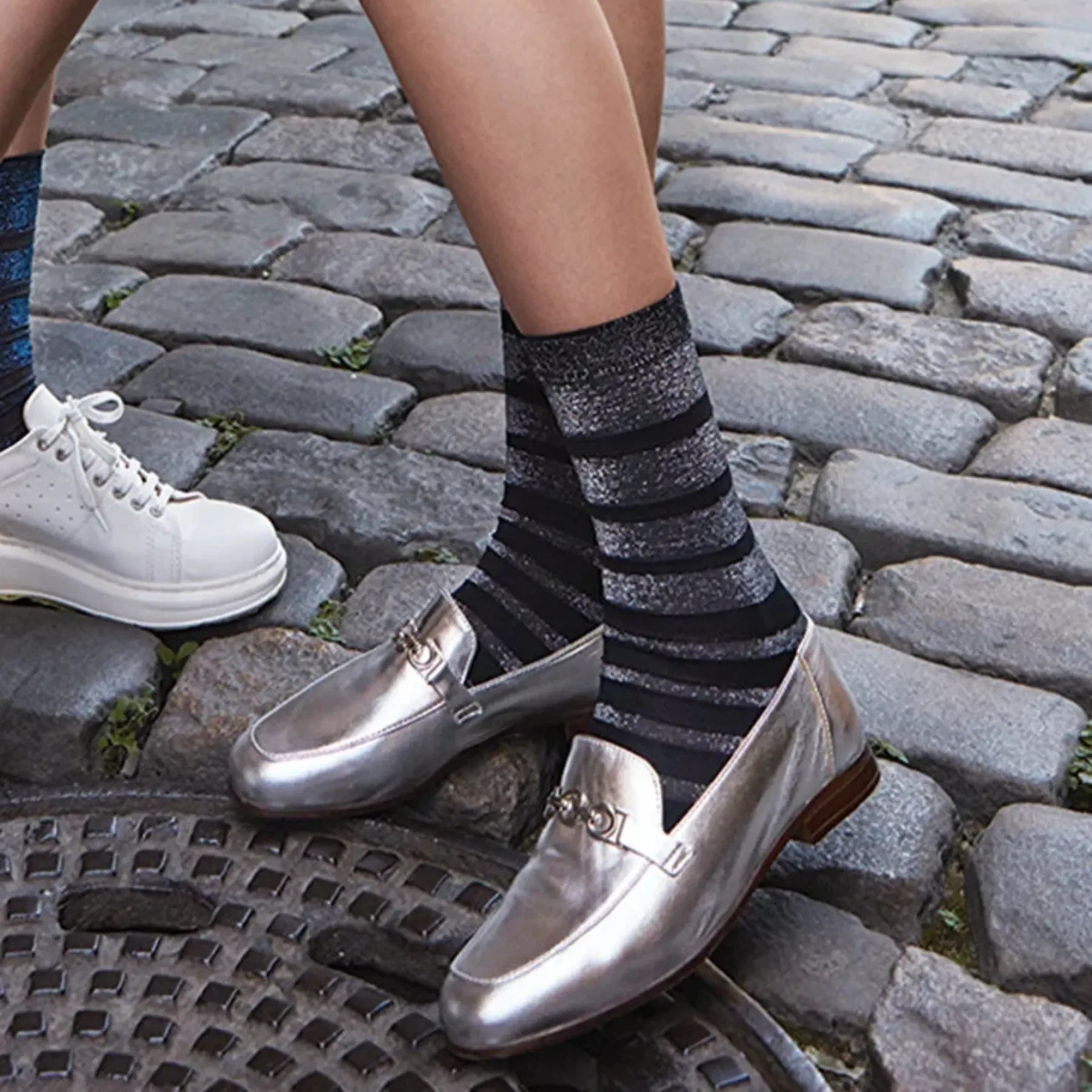
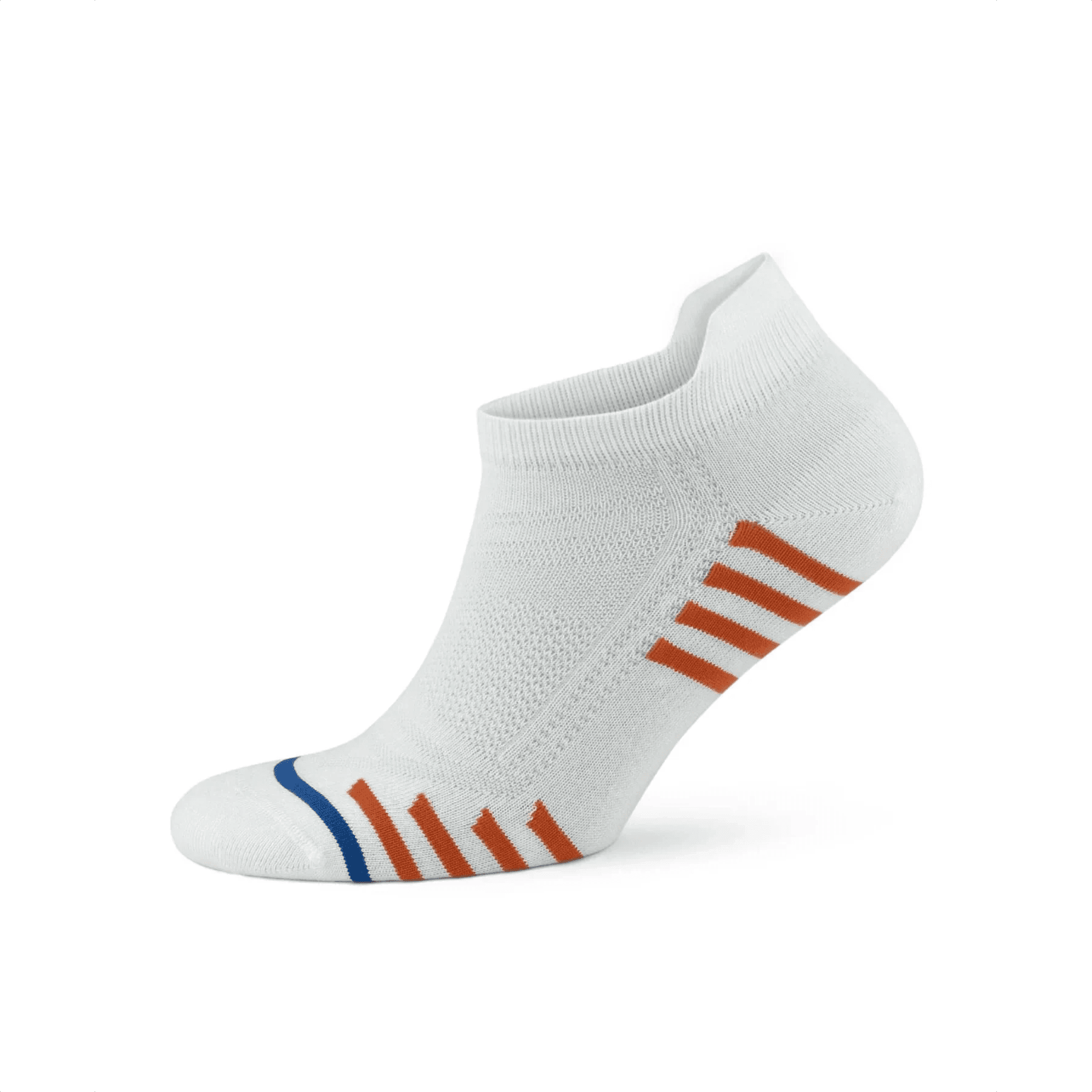
Comfortable women’s loungewear in Australia is built around softness, freedom of movement and fabrics suited to the climate. Uniq Socks is a hosiery and fashion-accessories brand rather than a full women’s loungewear apparel label, so this guide focuses on how socks and hosiery can support a comfortable at-home wardrobe.
Key Takeaways
- Choose loungewear clothing by fabric, fit, construction and care rather than fibre marketing alone.
- For Uniq Socks, the relevant loungewear products are comfort-focused socks and hosiery accessories, not lounge sets, joggers or dresses.
- Soft cotton, bamboo-derived and wool-blend socks can suit different temperatures and preferences.
- Check product-specific material and certification details before purchase.
Beyond the Basics: What Defines Comfortable Loungewear?
Comfort at home is personal. Clothing that allows movement, suits the temperature and feels good against the skin is a practical starting point. Socks can complete that comfort layer by adding warmth, softness or a relaxed styling detail.
The Fabric of Comfort
For garments generally, bamboo-derived viscose, cotton, modal, fleece and wool blends all behave differently. No fibre is automatically the most sustainable, breathable or skin-friendly in every construction. For socks specifically, the complete blend, yarn, knit and thickness determine how the pair feels.
Bamboo-derived viscose can offer a smooth hand-feel, cotton provides familiar softness and versatility, and alpaca or other wool blends can add warmth for cooler days.
Finding Your Perfect Fit Online
For loungewear clothing from any retailer, use that brand’s current size chart and product measurements. For socks, use the footwear or foot-size guidance supplied on the individual product page because sizing systems vary across styles.
Styling Comfortable Socks with Loungewear
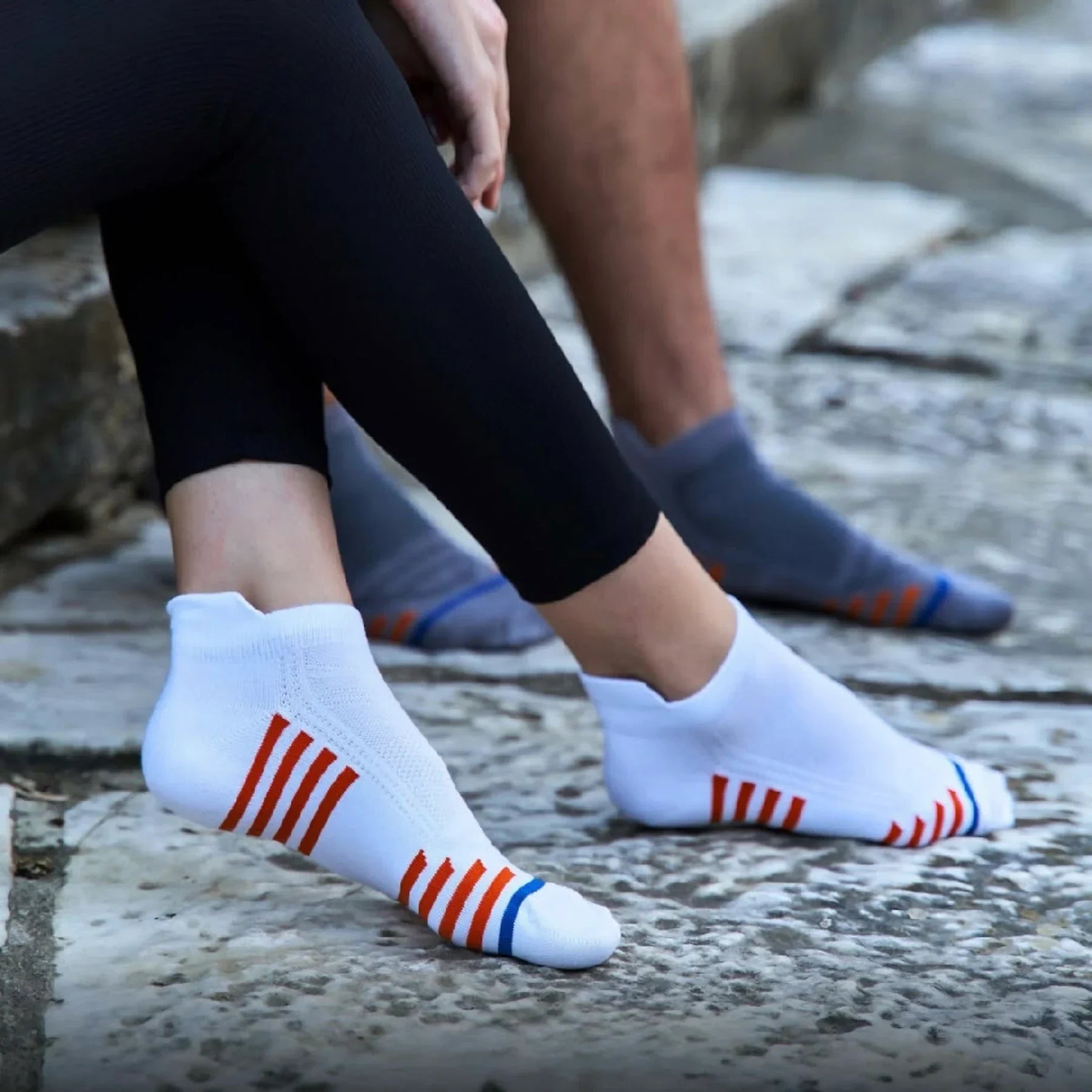
At home, pair crew or ankle socks with relaxed trousers, knitwear and casual sets. In cooler weather, wool-blend socks can add warmth; in milder conditions, lighter cotton or bamboo-derived styles may feel more suitable. Colour and pattern can also turn a comfort essential into a deliberate fashion accessory.
The Uniq Socks Philosophy: Comfort Meets Considered Style
Uniq Socks curates premium hosiery and sustainable fashion accessories for Australian wardrobes. Our range includes comfort-focused socks across different fibres and constructions rather than women’s lounge clothing.
Where stated on the relevant product page, verified Uniq Socks bamboo and cotton styles hold OEKO-TEX® Standard 100 certification. This means the tested textile has been assessed for harmful substances against the standard’s criteria; it does not mean every product is certified or that OEKO-TEX® certifies a product as organic or sustainable.
Explore women’s cotton socks or browse the wider Uniq Socks collection for comfort-focused hosiery.
Build Comfort from the Ground Up
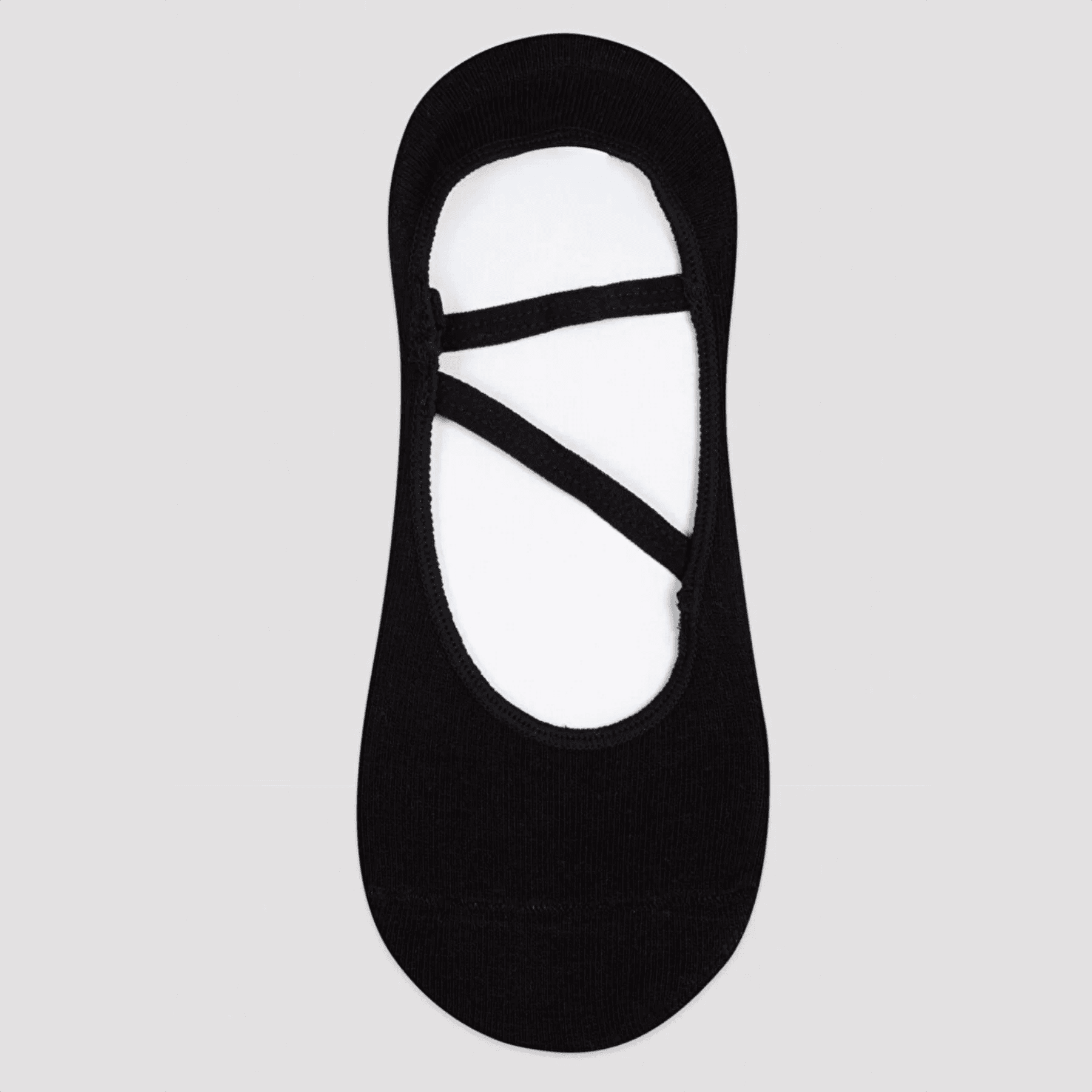
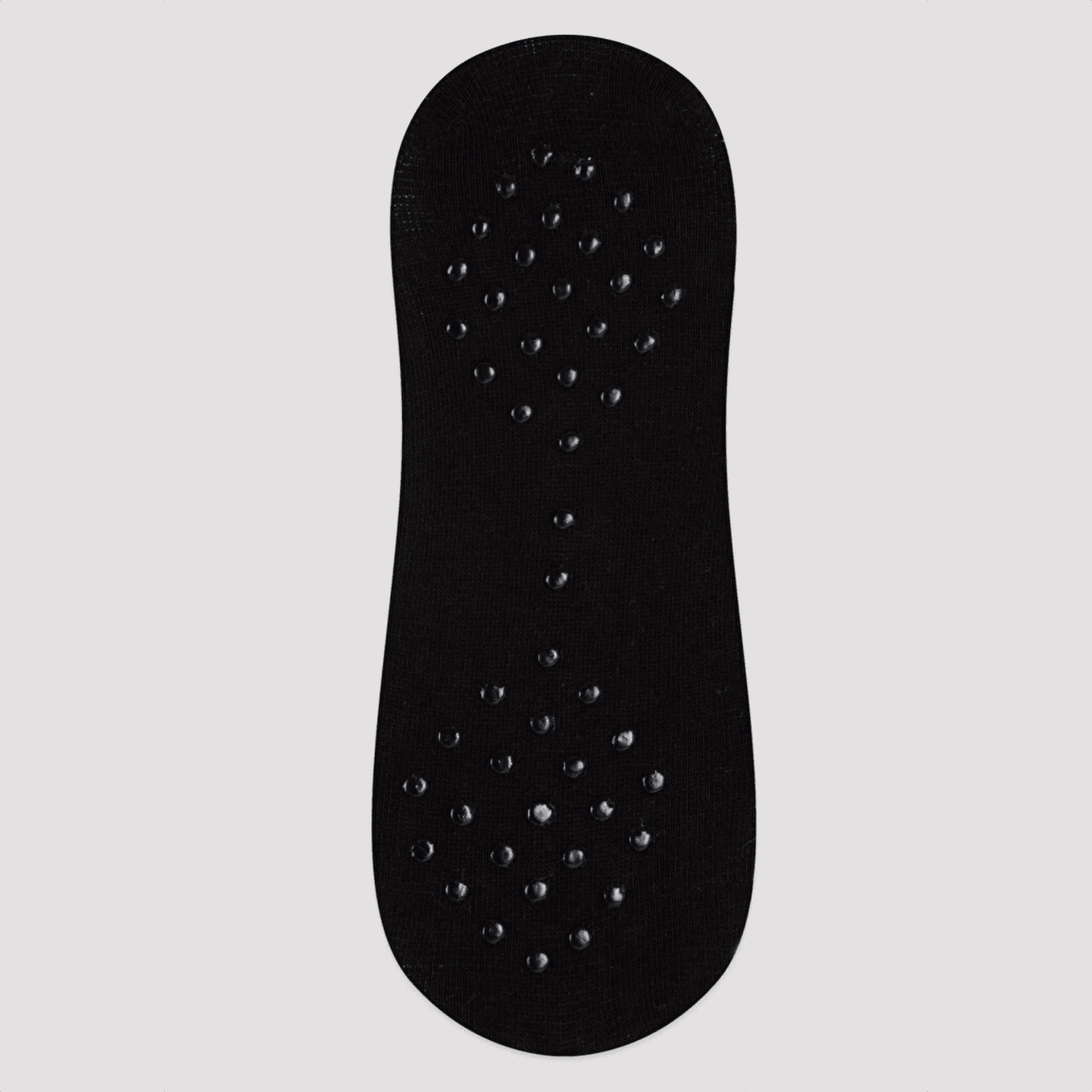
If you are creating a comfortable at-home wardrobe, focus on clothing that fits well and accessories that suit the season. Uniq Socks can provide the hosiery layer, while lounge sets, tops, trousers and dresses should be sourced from retailers that actually offer those categories.
Frequently Asked Questions
What is the difference between loungewear and pyjamas?
Pyjamas are primarily designed for sleep, while loungewear generally refers to relaxed clothing intended for time at home and sometimes casual errands.
What fabrics work for hot Australian weather?
Lightweight constructions and breathable garment designs can help in warm weather. Fibre blend and weave or knit matter alongside the fibre name.
How should loungewear be washed?
Follow the care label on the specific garment or sock. Washing and drying requirements vary by blend and construction.
Does Uniq Socks sell women’s loungewear sets?
Uniq Socks specialises in socks, tights and hosiery accessories. Our comfort-focused sock collections can complement loungewear, but they should not be presented as full lounge clothing sets.
Is bamboo always more sustainable than cotton?
No. The impact of a finished textile depends on cultivation or feedstock, fibre processing, dyeing, manufacturing, transport, durability and care. A fibre name alone cannot establish overall sustainability.