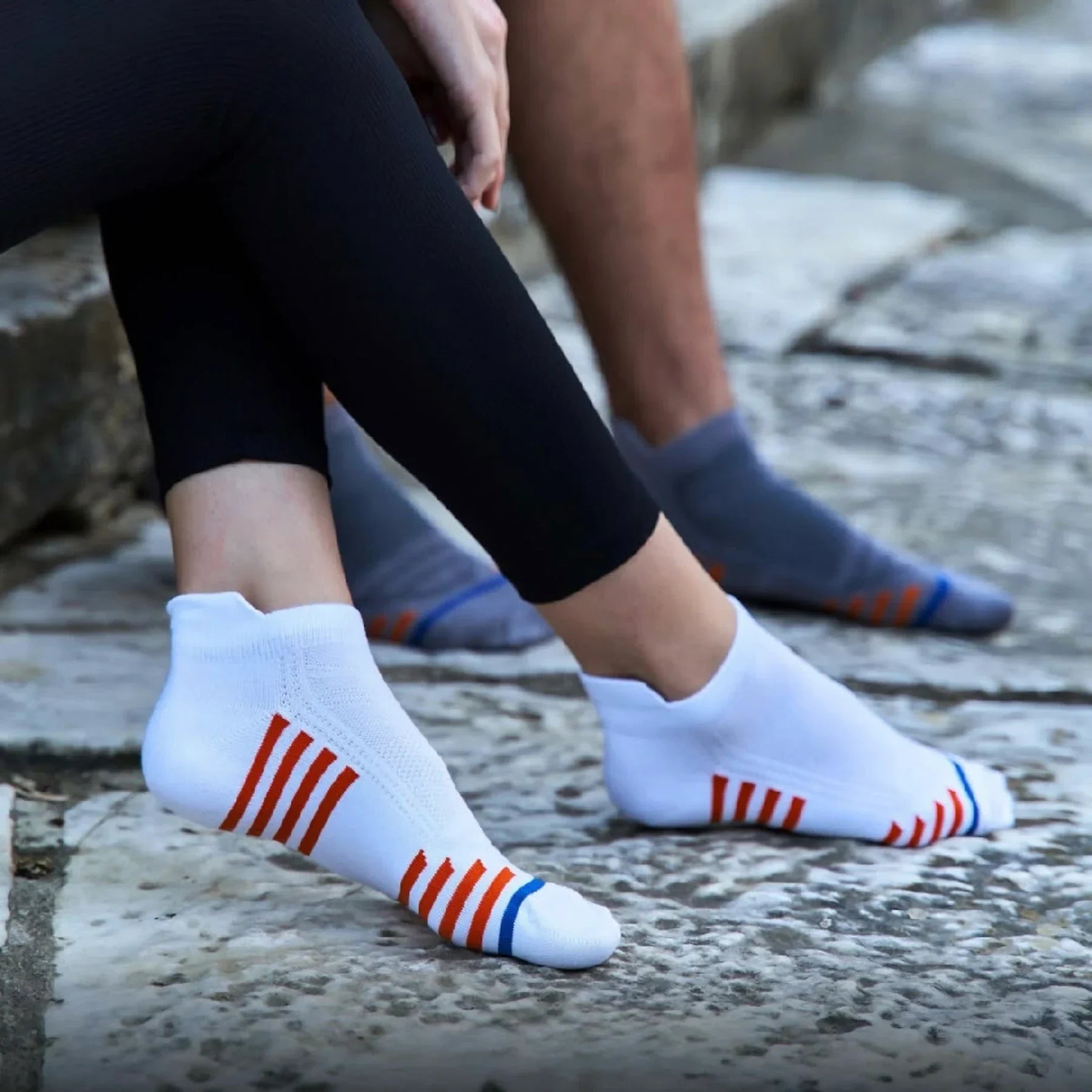
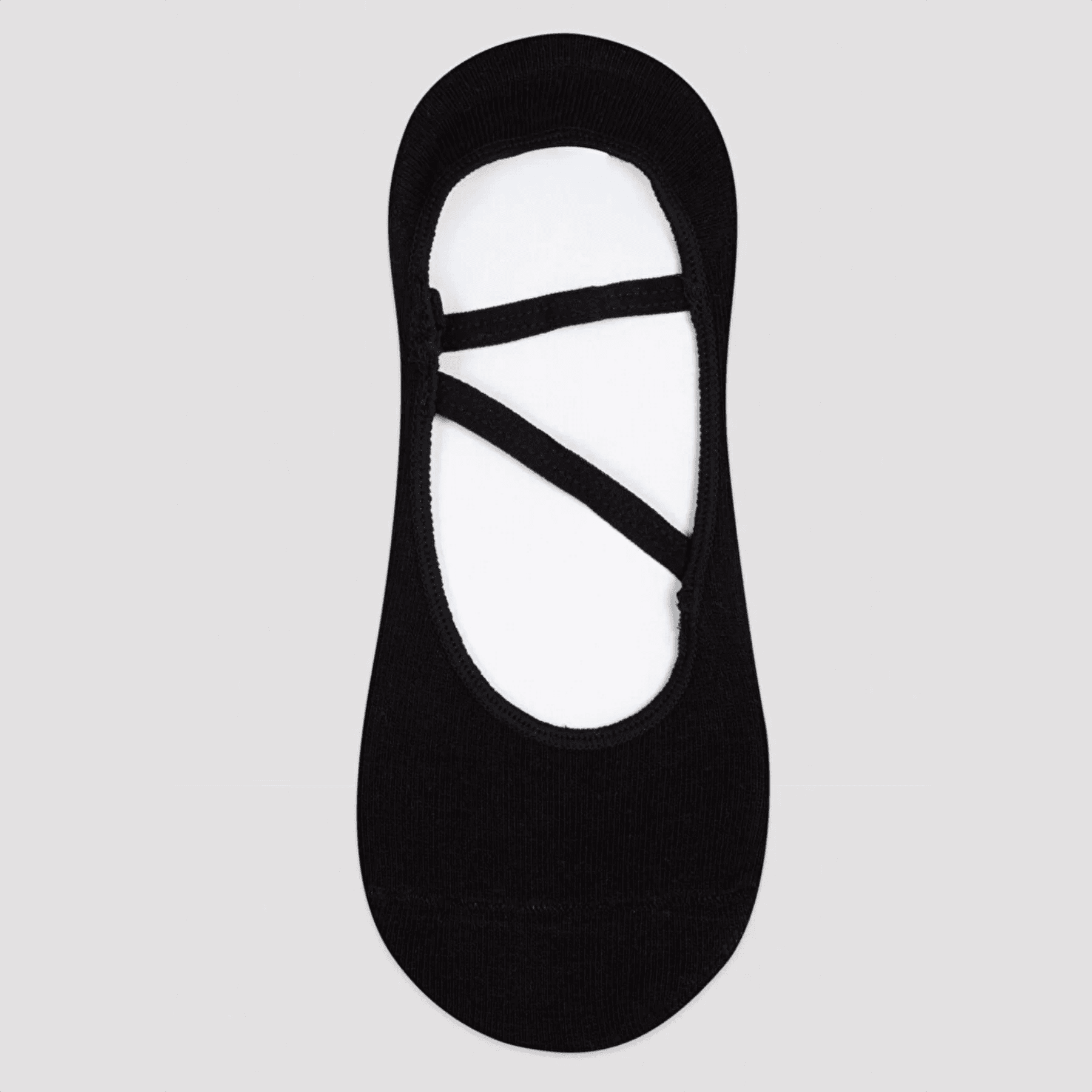
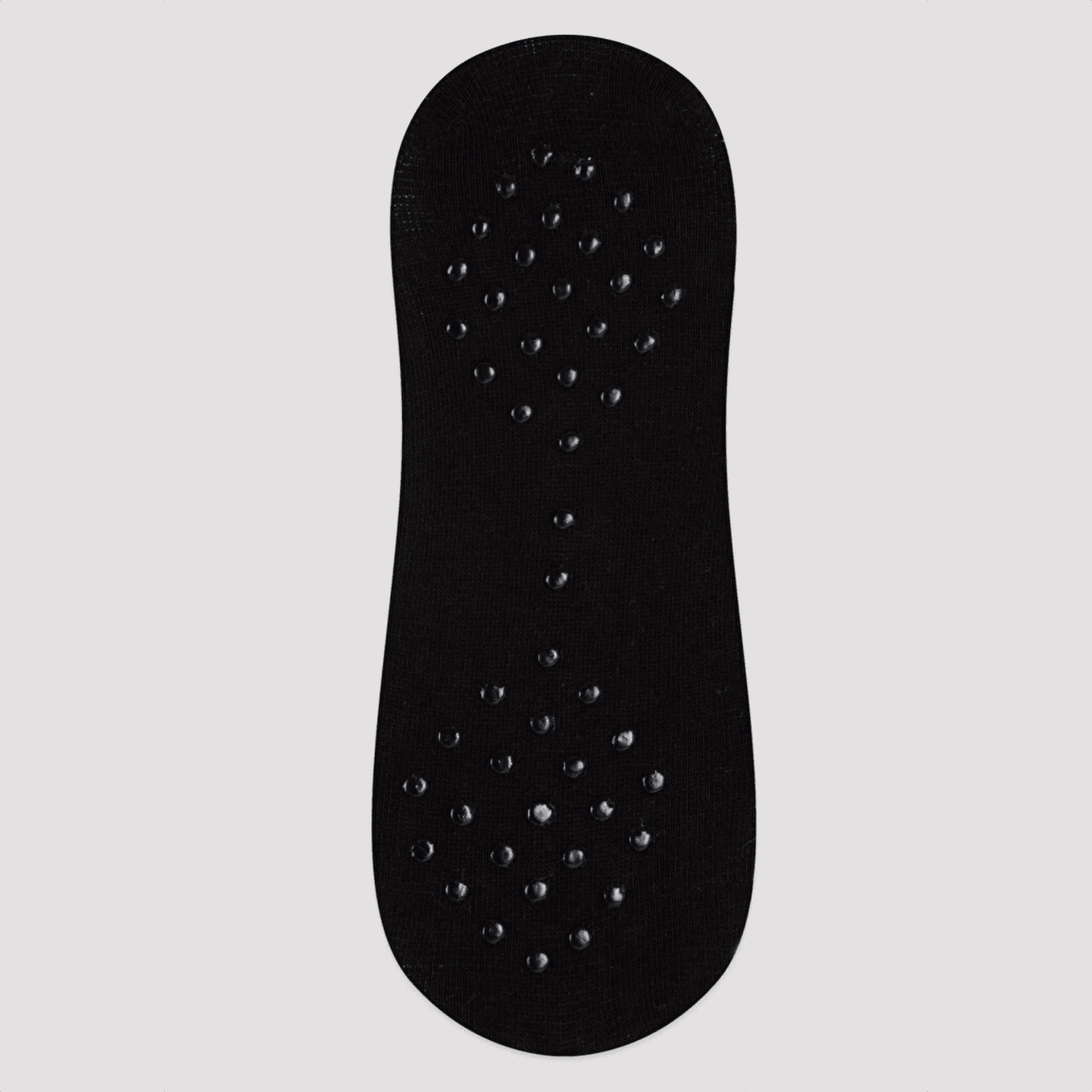
Finding socks that combine style, sustainability, and true all-day comfort can feel like a challenge for busy Australian professionals. When spending long hours on your feet—from city commutes to after-hours social events—the right pair should support both your values and your wellbeing. With modern designs focusing on breathable materials and eco-friendly fibres, you can step confidently into every occasion knowing your socks deliver on performance, comfort, and environmental responsibility.
Table of Contents
- Comfortable Socks Defined for Everyday Wear
- Key Materials: Bamboo, Wool, and Cotton
- How Fit and Construction Ensure Comfort
- Moisture Management and Breathability Explained
- Style, Sustainability, and Real-World Applications
- Common Mistakes to Avoid When Choosing Socks
Key Takeaways
| Point | Details |
|---|---|
| Comfort is Multifaceted | Sock comfort is influenced by material, construction, and individual foot needs, impacting daily activities and foot health. |
| Select Appropriate Materials | Opt for socks made from bamboo, wool, or cotton, each offering unique benefits that cater to different climates and activities. |
| Emphasise Fit and Construction | Prioritising seamless designs and strategic cushioning can significantly reduce discomfort and enhance overall foot experience. |
| Avoid Common Mistakes | Ensure proper size and material choices to prevent issues like blisters and moisture retention for optimal foot health. |
Comfortable Socks Defined for Everyday Wear
Comfort in everyday socks isn’t just about fabric softness—it’s a complex interplay of material, design, and functionality that impacts our daily experience. Everyday socks represent more than just a clothing accessory; they’re a critical element of personal comfort that influences mobility, foot health, and overall well-being.
Understanding sock comfort requires examining multiple dimensions. Improving circulation and reducing leg fatigue represents one fundamental aspect of sock performance. Lightweight socks that provide subtle support can transform how we experience daily activities, from office work to weekend adventures.
Key elements that define comfortable everyday socks include:
- Breathable materials that manage moisture
- Seamless construction to prevent irritation
- Strategic cushioning in high-impact areas
- Elastic that provides support without constriction
- Smooth toe seams that prevent rubbing
Sock comfort isn’t universal—it depends on individual needs, foot shape, and daily activities. Gentle pressure technologies can enhance comfort by supporting leg muscles and improving blood flow, making socks more than just a protective layer.
Pro tip: Select socks that match your specific daily activities, considering factors like material weight, cushioning, and elastic support for maximum comfort.
Key Materials: Bamboo, Wool, and Cotton
The perfect everyday sock begins with selecting the right materials—each fabric bringing unique properties that transform a simple accessory into a comfort powerhouse. Natural fibres like bamboo, wool, and cotton represent the foundation of high-performance sock design, offering distinct advantages for different wear conditions.
Fabric structure significantly influences thermal resistance and how our feet experience comfort throughout the day. Different materials interact uniquely with moisture, temperature, and foot mechanics, making material selection a critical aspect of sock performance.
Let’s explore the key characteristics of these premium sock materials:
Bamboo Socks:
- Naturally antibacterial
- Exceptional moisture-wicking properties
- Incredibly soft and smooth texture
- Environmentally sustainable production
- Hypoallergenic for sensitive skin
Wool Socks:
- Superior temperature regulation
- Natural moisture management
- Inherent antimicrobial properties
- Excellent cushioning and support
- Works well in multiple climate conditions
Cotton Socks:
- Breathable and lightweight
- Soft and comfortable against skin
- Affordable and widely available
- Easy to wash and maintain
- Good for everyday casual wear
The thermal performance of wool blends stands out, particularly mohair-wool combinations that maintain an optimal microclimate around the foot. This scientific approach to material selection ensures that socks aren’t just clothing, but a carefully engineered comfort solution.
Here’s how bamboo, wool, and cotton socks perform in real-world Australian conditions:
| Material | Best Use Case | Typical Climate Suitability | Noteworthy Limitation |
|---|---|---|---|
| Bamboo | Daily office wear | Suits humid and warm conditions | Less insulating in cold weather |
| Wool | Outdoor activities | Performs well in colder climates | Can feel warm in summer |
| Cotton | Casual settings | Suitable for mild, dry conditions | Holds moisture after sweating |
Pro tip: Consider rotating between different sock materials based on your daily activities to maximise comfort and extend the lifespan of your sock collection.
How Fit and Construction Ensure Comfort
Sock comfort is far more than a simple fabric choice—it’s a sophisticated engineering marvel that directly impacts our daily experience. Proper sock fit and construction are critical elements that determine how our feet feel throughout the day, reducing discomfort and preventing potential issues like blisters and moisture buildup.

The science behind sock comfort is intricate, involving multiple design considerations that go beyond mere appearance. Sock construction influences foot temperature and moisture dynamics, creating a complex microclimate that can dramatically affect overall foot comfort during various activities.
Key elements of superior sock construction include:
Seamless Design:
- Reduces friction points
- Prevents skin irritation
- Minimises potential blister formation
- Creates smoother wearing experience
- Enhances overall comfort
Strategic Elastication:
- Provides gentle, consistent support
- Prevents sock slippage
- Maintains shape during movement
- Adapts to different foot sizes
- Ensures comfortable fit throughout wear
Targeted Cushioning:
- Reinforces high-impact areas
- Absorbs shock during walking
- Provides additional comfort
- Reduces foot fatigue
- Protects sensitive foot regions
The intricate relationship between sock construction and foot comfort cannot be overstated. Every stitch, every fabric choice, and every design element plays a crucial role in creating a sock that feels like a second skin.
Key design features of comfort-focused socks and their impact:
| Design Feature | Main Benefit | Who Benefits Most |
|---|---|---|
| Seamless toe | Reduces skin irritation | Those prone to blisters |
| Strategic elastication | Maintains secure fit | Active individuals |
| Targeted cushioning | Absorbs shock on impact | Walkers, runners, all-day wearers |
| Breathable zones | Enhances moisture control | People with sweaty feet |
Pro tip: When selecting socks, stretch and examine the construction closely—a well-designed sock will maintain its shape and feel supportive without being overly restrictive.
Moisture Management and Breathability Explained
Moisture management represents the invisible science that transforms ordinary socks into extraordinary comfort companions. Superior moisture-wicking technologies are crucial in maintaining foot health, reducing sweat accumulation, and preventing uncomfortable friction during daily activities.

The complex interaction between sock fibres and foot microclimate determines comfort levels. Mohair and wool fibres provide exceptional moisture regulation, creating a dynamic environment that actively manages humidity and temperature, particularly beneficial for individuals requiring specialised foot care.
Key mechanisms of effective moisture management include:
Moisture-Wicking Properties:
- Rapidly transfers sweat away from skin
- Prevents bacterial growth
- Reduces potential blister formation
- Maintains consistent foot temperature
- Enhances overall wearing comfort
Breathability Factors:
- Enables air circulation
- Prevents excessive moisture buildup
- Supports natural foot temperature regulation
- Reduces risk of fungal infections
- Promotes faster evaporation
Thermal Regulation:
- Balances internal foot climate
- Adapts to changing environmental conditions
- Prevents overheating and excessive cooling
- Supports consistent comfort levels
- Minimises moisture-related discomfort
Understanding moisture management goes beyond simple fabric selection—it’s about creating a sophisticated microclimate that keeps feet dry, comfortable, and protected throughout the day.
Pro tip: Select socks with engineered moisture-management features for activities involving prolonged standing or physical exertion to maintain optimal foot comfort.
Style, Sustainability, and Real-World Applications
Modern sock design transcends mere functionality, blending aesthetic appeal with environmental consciousness. Sustainable fashion trends in Australia demonstrate a growing consumer commitment to eco-friendly clothing choices that reflect personal values and environmental responsibility.
Sustainable sock manufacturing innovations are revolutionising the textile industry, introducing materials and production methods that minimise environmental impact while delivering exceptional performance and style.
Key sustainability elements in contemporary sock design include:
Eco-Friendly Materials:
- Organic cotton
- Recycled polyester
- Bamboo fibres
- Alpaca wool
- Low-impact natural dyes
Ethical Production Principles:
- Fair worker compensation
- Reduced carbon footprint
- Minimal water consumption
- Energy-efficient manufacturing
- Transparent supply chains
Style Considerations:
- Versatile colour palettes
- Modern design aesthetics
- Functionality meets fashion
- Adaptable to multiple occasions
- Expressing personal values
The intersection of style and sustainability represents a powerful narrative in contemporary sock design, where every pair tells a story of innovation, responsibility, and personal expression.
Pro tip: Invest in sock brands that transparently communicate their sustainability practices and demonstrate genuine commitment to environmental and social responsibility.
Common Mistakes to Avoid When Choosing Socks
Choosing the right socks is more nuanced than most people realise. Sock selection significantly impacts foot health and can dramatically influence daily comfort, making it crucial to understand potential pitfalls in the selection process.
Common sock-wearing mistakes often stem from overlooking critical factors that determine sock performance and longevity. Understanding these errors can transform your approach to sock selection and care.
Key mistakes to avoid include:
Size and Fit Errors:
- Selecting socks that are too tight
- Choosing socks with incorrect length
- Ignoring individual foot shape variations
- Overlooking heel and toe reinforcement
- Buying one-size-fits-all options
Material Mismatches:
- Using inappropriate materials for activities
- Neglecting moisture-management properties
- Selecting non-breathable fabrics
- Ignoring fabric composition
- Failing to consider temperature regulation
Care and Maintenance Mistakes:
- Infrequent sock washing
- Using incorrect washing temperatures
- Storing socks improperly
- Ignoring fabric-specific care instructions
- Mixing different sock types during laundering
Comprehensive sock selection requires understanding how material, fit, and intended use intersect to create optimal foot comfort and performance.
Pro tip: Invest time in understanding your specific foot needs and activity requirements before purchasing socks, treating them as a functional investment in your daily comfort.
Experience Everyday Comfort with Uniq Socks
If the article highlighted how critical fabric choice, fit, and moisture management are to sock comfort then you understand the importance of selecting socks that support your daily lifestyle. Whether you need gentle pressure for wellness benefits or breathable fibres for all-day wear Uniq Socks offers thoughtfully designed options that align perfectly with those comfort needs. Our curated collections blend soft bamboo, alpaca, and cotton materials with expert craftsmanship to deliver socks that feel as good as they look.
Discover how our Wellness Socks for Women and No Show & Invisible Socks provide targeted support, seamless construction, and moisture-wicking technology to keep your feet happy no matter the occasion.

Step into elevated comfort and style now by exploring our full range at Uniq Socks Sheer Socks Collection. Take control of your everyday comfort with premium socks designed for Australian lifestyles and make every step count.
Frequently Asked Questions
What materials are best for comfortable socks?
The best materials for comfortable socks include bamboo for its softness and moisture-wicking properties, wool for temperature regulation and cushioning, and cotton for breathability and affordability. Each material offers unique benefits suited for different activities.
How can sock fit and construction affect comfort?
Proper sock fit and construction are crucial for comfort, as they help prevent blisters and skin irritation. Features like seamless designs, strategic elastication, and targeted cushioning enhance the overall wearing experience by adapting to foot shape and movement.
What is the importance of moisture management in socks?
Moisture management is essential in socks as it helps wick sweat away from the skin, maintaining foot health and comfort. Effective moisture management reduces the risk of blisters, bacterial growth, and excessive sweating, all contributing to a more pleasant wear experience.
What common mistakes should I avoid when selecting socks?
Common mistakes include choosing socks that are too tight or improperly sized, opting for materials that don’t suit your activity, and neglecting proper care instructions. Being mindful of these factors can significantly improve foot comfort and prolong the life of your socks.