Yoga socks and Pilates socks overlap much more than their names suggest. In both categories, the most important features are fit, grip and comfort. Terms such as “yoga sock” and “Pilates sock” describe intended use, but they are not rigid technical standards, so construction varies significantly between products.
Why Grip Socks Are Used in Studio Practice
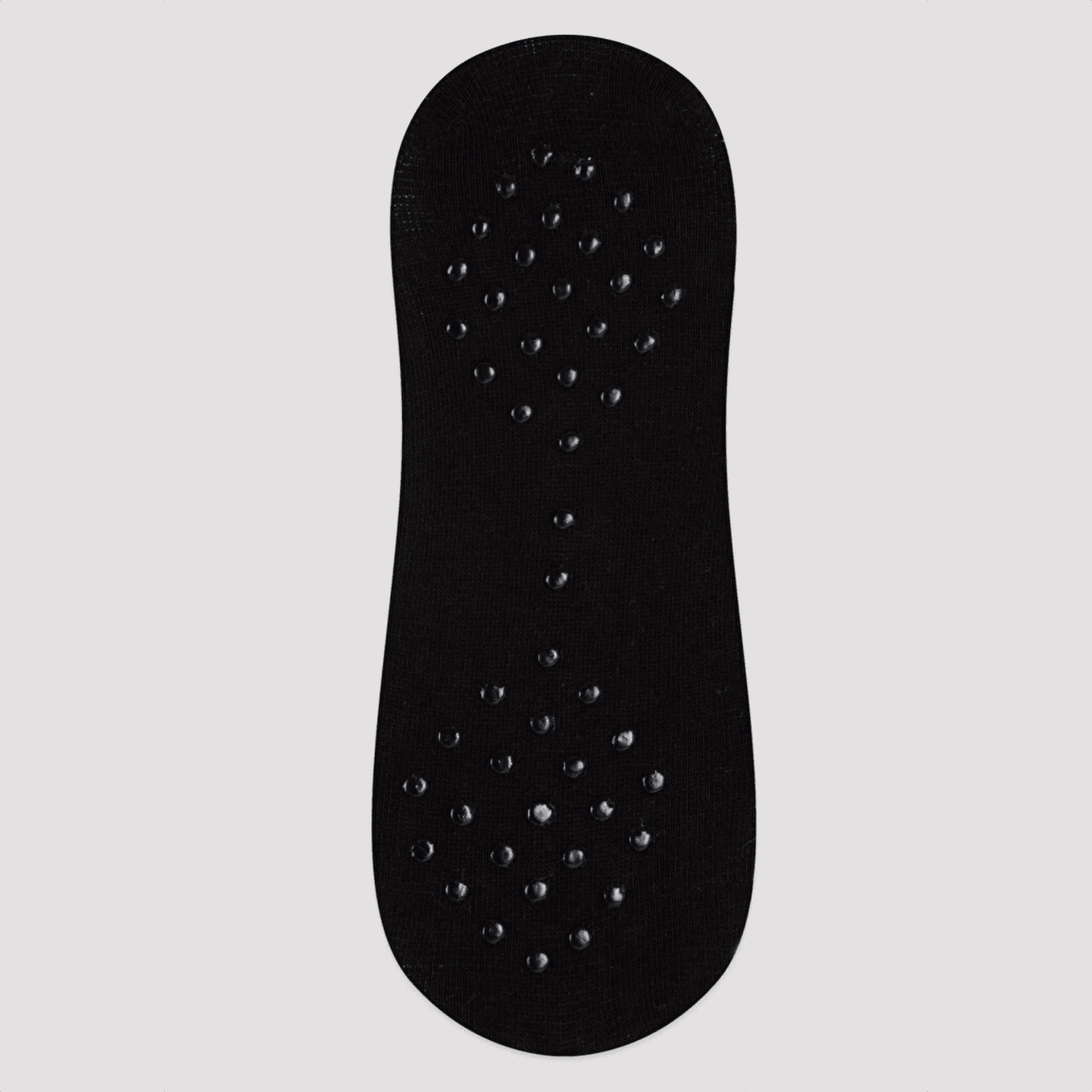
Grip socks can provide additional traction on smooth surfaces and shared studio equipment. Whether you need them depends on the class, the equipment and the studio’s own rules.
The Main Differences to Look For
Toe Coverage
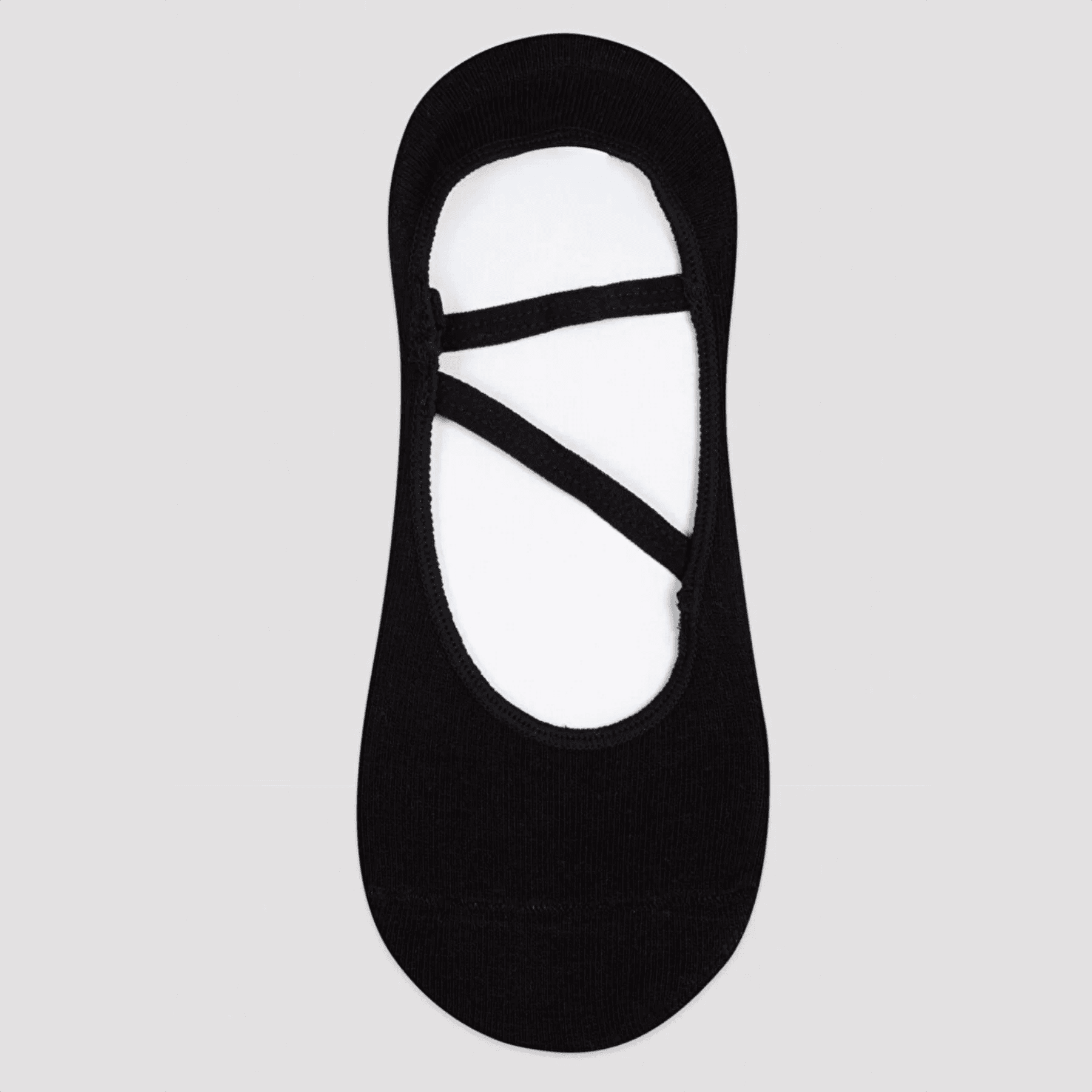
Some yoga styles use toeless or five-toe designs to retain more direct contact with the mat, while many Pilates grip socks use full-toe construction. Neither format is exclusive to one discipline, and personal preference matters.
Grip Placement
Grip patterns vary by product. For both yoga and Pilates, look for traction under the areas that make regular contact with the mat, floor or equipment, particularly the ball of the foot and heel.
Fit and Support
Some Pilates-focused designs include a closer arch fit or higher cuff, while many yoga styles prioritise a lighter, more flexible feel. These are design choices rather than universal rules.
Material and Weight
Both categories can use breathable cotton-rich or synthetic blends. A lighter sock can preserve more feedback from the floor or reformer, while a slightly more structured design may feel more secure to some wearers.
Can You Use One for the Other?
Often, yes. A well-fitting grip sock can work across both yoga and Pilates provided its traction, toe coverage and overall construction suit the class. Always check studio requirements, particularly for reformer sessions.
Choosing Based on Your Practice
If you practise mostly yoga, you may prefer a lighter or more open design. If reformer Pilates is your main activity, you may prefer full coverage and a secure fit. If you do both, a versatile full-foot grip sock can be a practical starting point.
Explore the Uniq Socks yoga and Pilates collection for studio-ready styles designed around traction, comfort and individual expression.