Proper care for Uniq Socks: A woman sorting colorful organic cotton socks into a mesh laundry bag in front of a washing machine.

How to Care for Organic Cotton Socks: Extend Life 3x


Your favourite organic cotton socks deserve better than ending up in landfill after just a few wears. Many Australians unknowingly shorten their socks’ lifespan through improper washing and drying, contributing to textile waste whilst missing out on the durability benefits that organic cotton offers. This guide reveals the precise care methods that can triple your socks’ wear count, from 30 to over 100 uses, whilst minimising environmental impact. You’ll learn exactly how to wash, dry, and maintain your organic cotton socks to preserve their softness, elasticity, and sustainability credentials for years to come.

Table of Contents

Key takeaways

Point Details
Proper washing extends lifespan Correct care increases wear count from 30 to 100-200 uses, reducing textile waste significantly
Temperature matters critically Washing at 30-40°C preserves fibres and prevents shrinkage better than hot water
Organic cotton outperforms conventional Retains tensile strength better after multiple washes when cared for correctly
Consumer habits drive environmental impact Washing and drying account for over 65% of lifecycle energy use
GOTS certification ensures quality Guarantees chemical-free production and sets standards for sustainable care practices

Preparing to care for your organic cotton socks

Before you toss your socks into the washing machine, understanding what you need and how to prepare makes all the difference between socks that last months versus years. The right setup protects the delicate organic fibres whilst honouring the environmental values that led you to choose organic cotton in the first place.

Start by selecting a mild, eco-friendly detergent free from harsh chemicals, phosphates, and synthetic fragrances. These gentle formulations clean effectively without stripping the natural oils that keep organic cotton soft and resilient. Your washing machine’s temperature dial becomes equally important, as Australian brands recommend chemical-free handling and GOTS certified socks follow strict ecological standards that include specific care requirements. Set your machine to 30-40°C, the sweet spot that removes dirt without compromising fibre integrity.

GOTS certification represents the gold standard in organic textile production, covering everything from farming practices to processing and care guidelines. When you purchase GOTS-certified organic cotton unisex socks, you’re investing in a product designed to withstand proper care whilst maintaining its ecological credentials. This certification prohibits toxic chemicals, ensures fair labour practices, and sets benchmarks for how the fabric should be handled throughout its life.

Gather these essential materials before washing:

  • Mild, plant-based or eco-certified liquid detergent
  • Mesh laundry bag to protect sock fabric
  • Access to gentle or delicate washing cycle settings
  • Cold to warm water capability (30-40°C)
  • Drying rack or clothesline for air drying

Pro Tip: Invest in a fine-mesh laundry bag specifically for socks. This simple tool reduces friction damage during the wash cycle, prevents socks from getting lost, and can extend their lifespan by 20-30% by minimising abrasion against zippers, hooks, and rougher fabrics.

The preparation table below summarises optimal settings:

Care Element Recommended Setting Why It Matters
Water Temperature 30-40°C Preserves elasticity and prevents shrinkage
Detergent Type Mild, eco-friendly, liquid Protects fibres from chemical degradation
Wash Cycle Gentle or delicate Reduces mechanical stress on fabric
Protection Method Mesh laundry bag Minimises friction and abrasion damage

Step-by-step guide to washing and drying organic cotton socks

With your materials ready, following a systematic washing process ensures your organic cotton socks emerge clean, fresh, and structurally sound. These steps mirror the care standards that preserve the fabric’s natural properties wash after wash.

First, turn your socks inside out before placing them in the mesh bag. This simple action protects the exterior fibres that face the most wear during daily use, keeping colours vibrant and preventing pilling. Sort your socks by colour, grouping lights with lights and darks with darks to prevent dye transfer.

Place the mesh bag containing your socks into the washing machine, keeping the load light to moderate. Overcrowding creates excessive friction and prevents proper cleaning. Wash organic cotton socks inside out in cool to warm water (30-40°C) on gentle cycle with mild, eco-friendly detergent to preserve fibres and elasticity, ensuring you measure detergent according to package instructions. Using too much detergent leaves residue that stiffens fibres and attracts dirt faster.

Select your machine’s gentle or delicate cycle, which uses slower agitation and shorter spin times. This reduced mechanical action protects the sock’s elastic components whilst still achieving thorough cleaning. Never add bleach, which breaks down organic fibres at a molecular level, or fabric softeners, which coat fibres and reduce breathability.

Follow this washing sequence:

  1. Turn socks inside out and place in mesh laundry bag
  2. Sort by colour and add to washing machine with similar fabrics
  3. Add measured amount of mild, eco-friendly liquid detergent
  4. Select gentle cycle and set temperature to 30-40°C
  5. Start wash cycle and allow to complete fully
  6. Remove socks promptly after cycle finishes

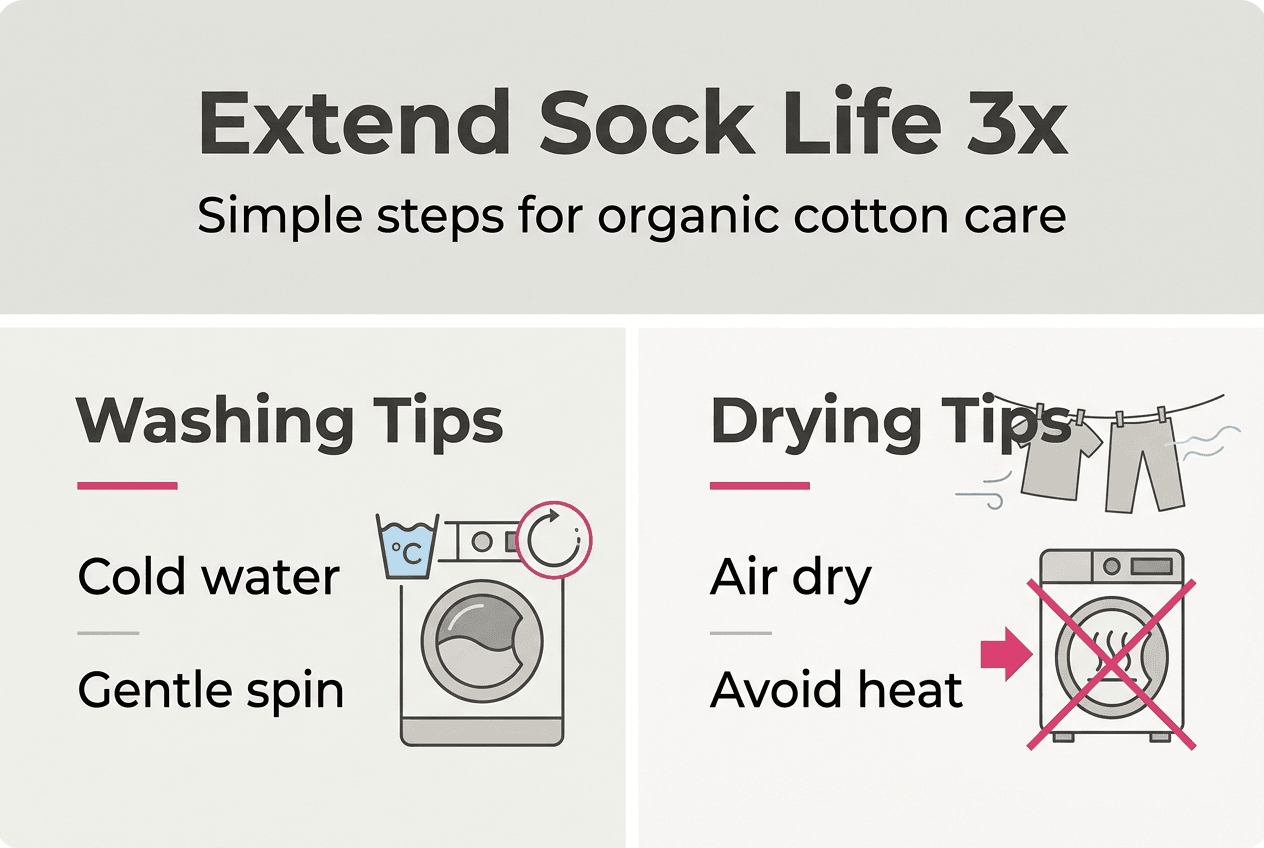
Drying requires equal attention to washing. Skip the tumble dryer entirely, as the high heat and tumbling action degrades elastic fibres and causes shrinkage. Instead, gently reshape each sock to its original dimensions and lay flat on a drying rack, or hang by the toe on a clothesline away from direct sunlight. Air drying preserves the fabric’s natural elasticity whilst consuming zero energy, aligning perfectly with the sustainability values behind choosing eco-friendly cotton unisex socks.

Cotton socks air drying on rack by window

Pro Tip: Pair your socks before washing by clipping them together with a sock clip or safety pin through the cuffs. This prevents the dreaded missing sock syndrome and saves sorting time after drying, whilst the clips won’t damage fabric if placed carefully.

Common mistakes and troubleshooting in organic cotton sock care

Even well-intentioned sock owners make errors that dramatically shorten lifespan and undermine sustainability goals. Recognising these pitfalls helps you avoid them whilst understanding how to fix problems when they arise.

Hot water washing ranks as the most common mistake. Temperatures above 40°C cause organic cotton fibres to contract unevenly, leading to shrinkage, whilst simultaneously breaking down the elastic components that keep socks snug on your feet. This damage accumulates with each hot wash, progressively degrading fit and comfort.

Mixing organic cotton socks with heavily soiled items or harsh fabrics like denim creates unnecessary abrasion. The rough surfaces act like sandpaper against delicate sock fibres, causing premature thinning and hole formation. Similarly, washing with items featuring zippers, velcro, or metal embellishments risks snags and tears.

Tumble drying represents another major culprit in shortened sock life. The combination of heat and mechanical tumbling breaks down elastic fibres rapidly, causing socks to lose their shape and develop that saggy, loose feeling after just a few cycles. Research confirms that organic cotton shows better tensile strength retention after 50 washes (22% loss) than conventional cotton (27% loss), highlighting durable nature with correct care, but these benefits vanish with improper drying methods.

Warning: Bleach and chemical-laden detergents irreversibly damage organic cotton fibres, breaking down the molecular structure that gives the fabric its strength and softness. Once damaged, these fibres cannot recover, leading to rapid deterioration and premature disposal.

Troubleshooting common issues:

  • Pilling on sock surface: Reduce wash cycle intensity, ensure socks are inside out, and avoid washing with abrasive fabrics
  • Loss of elasticity and sagging: Stop tumble drying immediately, switch to air drying, and avoid over-stretching when putting on
  • Colour fading: Wash in cooler water, turn inside out, and dry away from direct sunlight
  • Shrinkage: Lower water temperature to 30°C maximum and reshape whilst damp before air drying
  • Stiffness after washing: Reduce detergent quantity and ensure thorough rinsing cycle

If you’ve inherited socks that have suffered from poor care, you can partially rehabilitate them by switching to proper methods immediately. Whilst you cannot reverse existing damage, preventing further deterioration extends their remaining useful life. For comprehensive guidance on maintaining various eco-friendly sock types, explore eco-friendly socks care tips that cover bamboo, cotton, and wool varieties.

Expected results and benefits of proper organic cotton sock care

Implementing correct care practices delivers measurable improvements in sock longevity, comfort, and environmental impact. These benefits compound over time, making the small effort invested in proper care worthwhile from both practical and ecological perspectives.

Your organic cotton socks can realistically achieve 100-200 wears with optimal care, compared to just 30-50 wears under poor conditions. This threefold to sixfold increase means fewer purchases, less textile waste, and greater value from each pair. The fibres maintain their structural integrity longer, keeping socks soft against your skin whilst retaining the snug fit that prevents bunching and blisters.

Infographic with organic cotton sock care tips

Environmental benefits extend beyond longevity. Consumer washing and drying contribute more than 65% of lifecycle energy use, so eco-friendly care significantly reduces environmental impact. By washing in cold water and air drying, you dramatically lower the carbon footprint of each wear. This reduction multiplies across your entire sock drawer, making a tangible difference to your household’s environmental impact.

The comparison table illustrates the stark difference between care approaches:

Care Method Expected Wear Count Fibre Strength Retention Energy Use Per Wear Annual Pairs Needed
Optimal Care 100-200 wears 78% after 50 washes Low (cold wash, air dry) 2-4 pairs
Poor Care 30-50 wears 73% after 50 washes High (hot wash, tumble dry) 8-12 pairs

Key benefits you’ll experience:

  • Extended durability reducing replacement frequency and cost
  • Maintained comfort with preserved softness and elasticity
  • Reduced textile waste supporting circular fashion principles
  • Lower energy consumption through cold washing and air drying
  • Better colour retention keeping socks looking newer longer
  • Enhanced value proposition from your organic cotton investment

These outcomes align perfectly with the values that guide eco-conscious consumers towards organic cotton in the first place. For deeper insights into why organic cotton deserves this careful attention, the ultimate guide to organic cotton socks explores the full lifecycle benefits and production standards that make these garments worth preserving.

Explore premium organic cotton socks at Uniq Socks

Now that you understand how to maximise the lifespan and sustainability of organic cotton socks, you can shop with confidence knowing your investment will deliver years of comfortable, eco-friendly wear. Uniq Socks offers a curated selection of GOTS-certified eco-friendly cotton unisex socks designed to pair perfectly with the care practices outlined in this guide.

https://uniqsocks.com.au

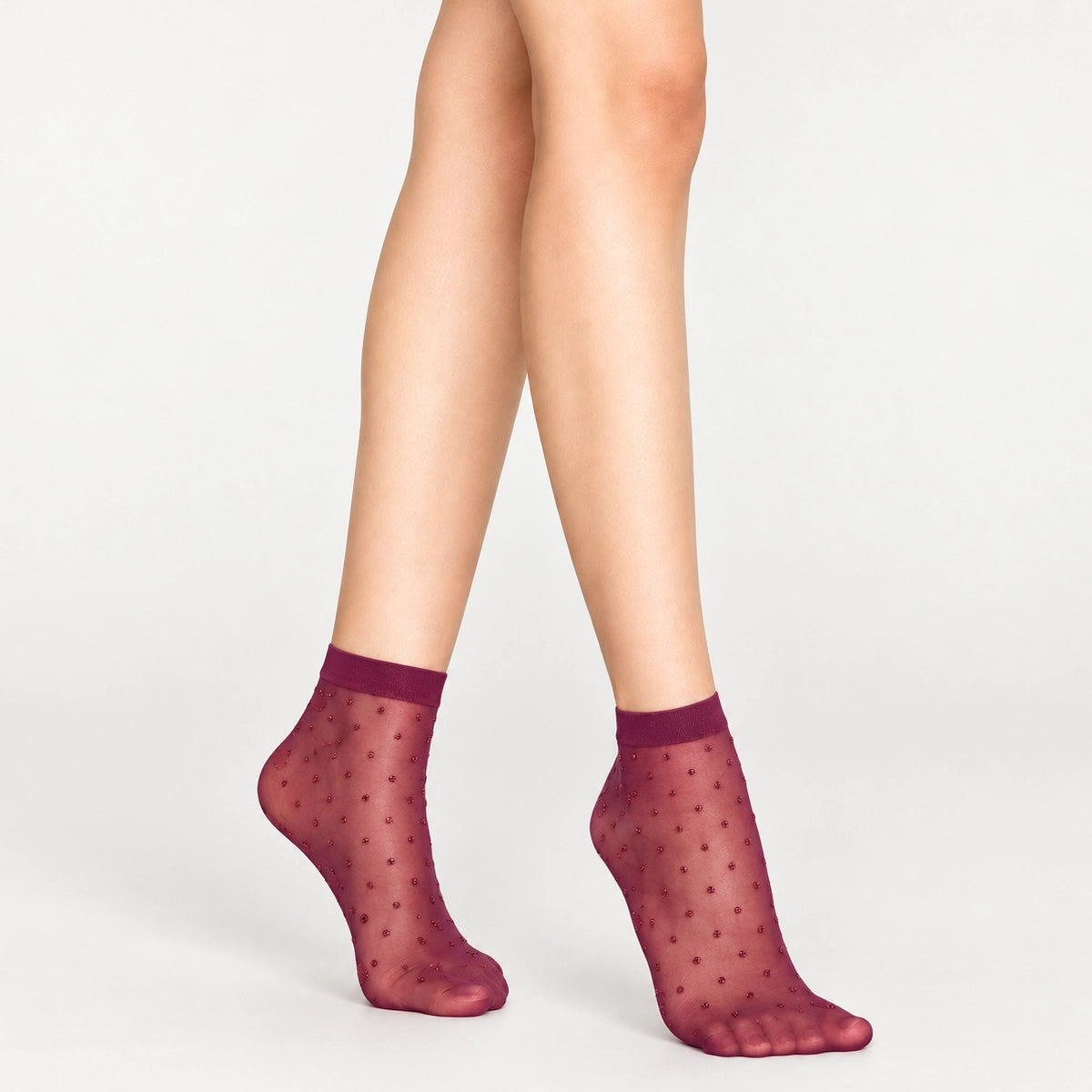
Each pair combines Australia’s commitment to sustainable fashion with premium comfort and distinctive style. Our organic cotton range holds OEKO-TEX Standard 100 certification, guaranteeing chemical-free production that protects both your skin and the environment. When you’re ready to expand your sustainable sock collection, explore our sheer colourful ankle socks that bring creative designer patterns to your everyday wardrobe, or browse the full range of premium Australian bamboo and designer socks crafted from ultra-soft organic materials. Every purchase supports responsible manufacturing whilst elevating your style with pieces designed to last.

Frequently asked questions

How should I wash organic cotton socks to prevent shrinkage?

Use cold to warm water between 30-40°C on your machine’s gentle cycle, and always turn socks inside out before washing. Hot water causes fibres to contract unevenly, leading to permanent shrinkage that cannot be reversed. Air drying instead of tumble drying further prevents heat-related shrinkage whilst preserving elasticity.

Can I use bleach or fabric softener on organic cotton socks?

No, avoid bleach and fabric softeners entirely as they damage organic cotton fibres and significantly reduce sock lifespan. Bleach breaks down the molecular structure of cotton, whilst fabric softeners coat fibres and reduce breathability. Use mild, eco-friendly detergents instead to maintain the fabric’s natural properties and align with organic care standards.

How can I store my organic cotton socks to maintain their quality?

Store socks flat or loosely folded in a dry, cool drawer away from direct sunlight, which can fade colours over time. Avoid tight bunching, rolling into balls, or hanging by elastic bands, as these methods stretch fibres and distort the sock’s shape. Proper storage between wears extends the time between necessary washes, further reducing wear and environmental impact.

Are organic cotton socks really more durable than conventional cotton?

Yes, studies demonstrate that organic cotton retains tensile strength better than conventional cotton after 50 washes (22% loss vs 27% loss), giving organic varieties a measurable durability advantage. This superior strength retention becomes even more pronounced with proper care practices including cold washing, gentle cycles, and air drying. The chemical-free growing and processing methods used for organic cotton produce longer, stronger fibres that withstand repeated washing better than conventionally grown alternatives.