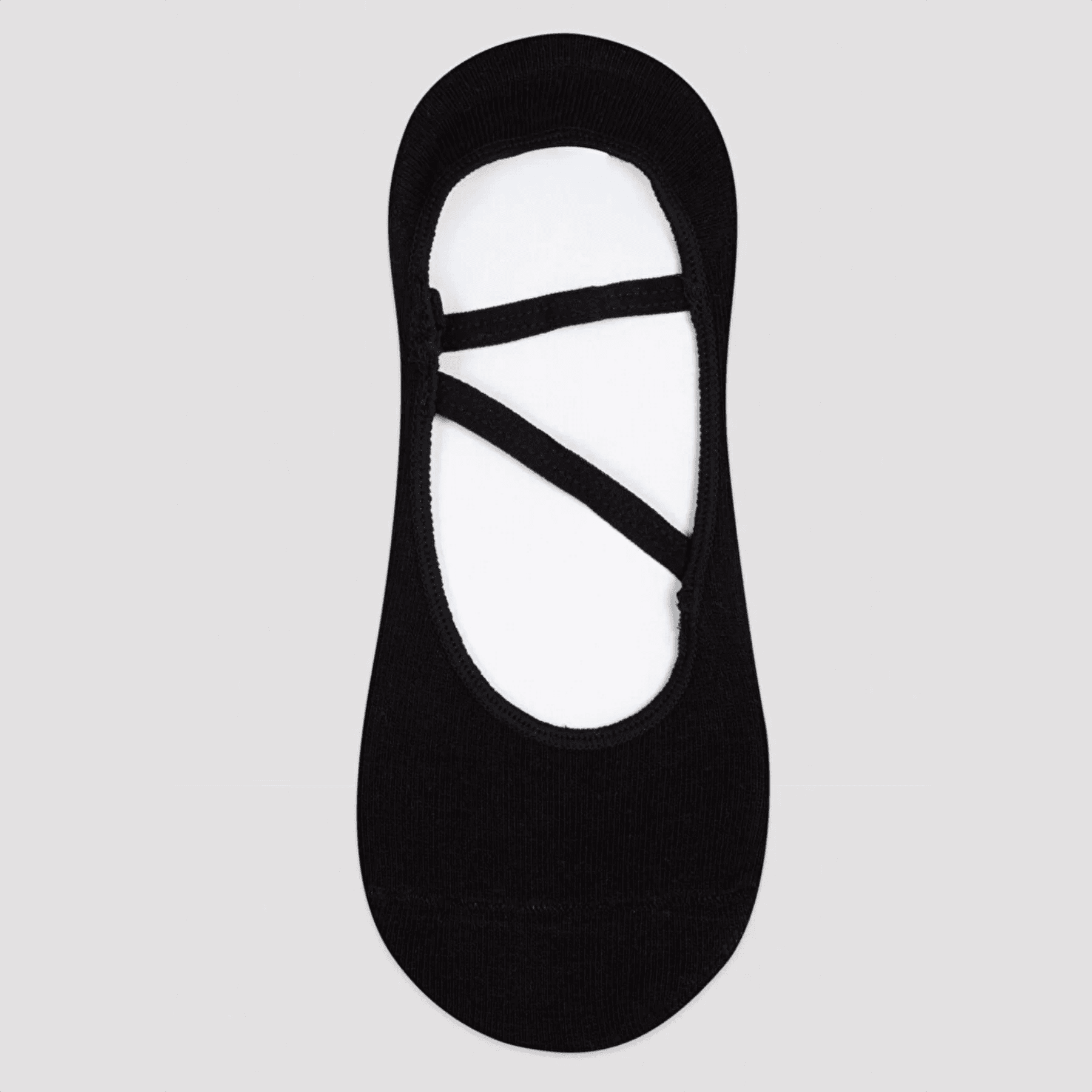
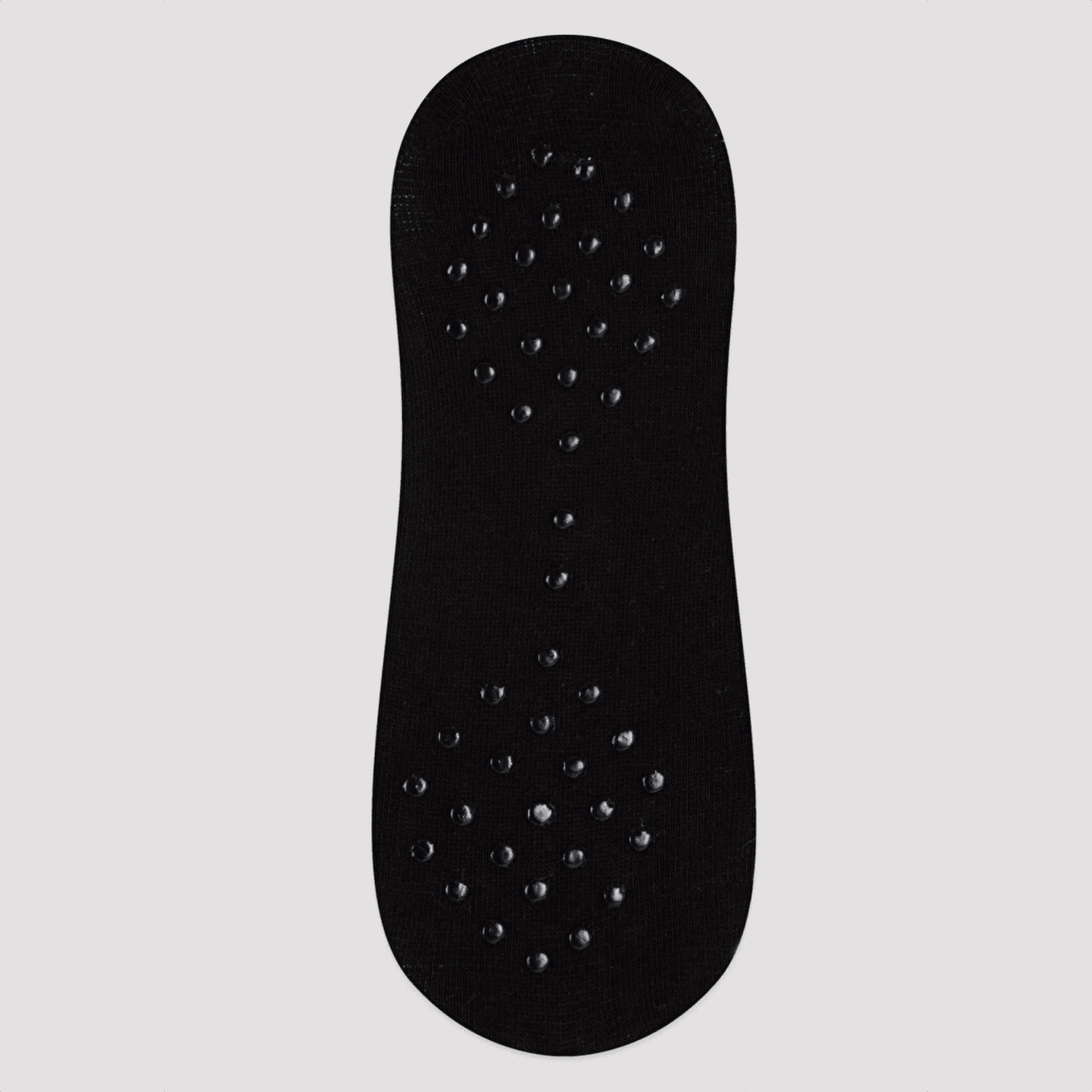
Most people assume sock quality is about thickness or brand name, but the truth involves far more nuanced factors. The finest socks combine sustainable materials like organic bamboo and alpaca wool with expert craftsmanship and thoughtful design. Understanding these elements helps you invest in pieces that elevate your wardrobe while supporting environmental responsibility. This guide reveals what truly separates premium socks from ordinary pairs, covering materials, durability, comfort features, and care practices that preserve luxury feel for years.
Table of Contents
- What Defines High-Quality Socks: Key Materials And Craftsmanship
- Comparing Popular Sock Materials: Benefits And Sustainability
- How Durability, Design, And Comfort Elevate Sock Quality
- Practical Care Tips To Preserve Your High-Quality Socks
- Explore Sustainable Luxury Socks At Uniq Socks
- Frequently Asked Questions
Key takeaways
| Point | Details |
|---|---|
| Material quality matters most | Organic bamboo and alpaca wool offer superior softness, breathability, and sustainability compared to synthetic alternatives. |
| Durability depends on construction | Reinforced heels, seamless toes, and quality stitching extend sock lifespan while maintaining comfort. |
| Design enhances daily comfort | Features like arch support, cushioning, and proper elasticity transform ordinary socks into luxury essentials. |
| Proper care preserves investment | Gentle washing and air drying protect natural fibres and maintain the premium feel of sustainable socks. |
What defines high-quality socks: key materials and craftsmanship
Fibre type determines everything from how your feet feel at day’s end to how long socks maintain their shape. Natural materials outperform synthetics across comfort, durability, and environmental impact metrics. High-quality socks often use organic bamboo and alpaca wool because these fibres deliver softness without compromising strength.
Organic bamboo stands out for its moisture-wicking properties that keep feet dry throughout active days. The fibre’s natural antibacterial qualities prevent odour buildup, making bamboo socks ideal for Australian summers. Beyond performance, bamboo grows rapidly without pesticides, requiring minimal water compared to cotton cultivation. This makes bamboo an exceptionally eco-friendly choice for conscious consumers.
Alpaca wool provides lightweight warmth that synthetic fibres cannot replicate. Unlike sheep’s wool, alpaca contains no lanolin, making it naturally hypoallergenic for sensitive skin. The hollow fibre structure creates insulation without bulk, perfect for layering under boots or wearing with dress shoes. Alpaca farming also maintains lower environmental impact than conventional livestock operations.
Knitting quality separates premium socks from mass-produced alternatives. High-density knitting creates durability while maintaining breathability, a balance that requires skilled craftsmanship. Seamless toe construction eliminates the irritating ridge found in cheaper socks, preventing blisters during extended wear. These technical details might seem minor, but they dramatically affect daily comfort.
Sustainable production practices extend beyond fibre selection. Ethical manufacturers use low-impact dyes, minimise water waste, and ensure fair labour conditions throughout supply chains. Certifications like OEKO-TEX Standard 100 verify that materials meet strict safety and environmental standards. When you choose luxury socks from responsible brands, you support industries that prioritise both quality and planetary health.
Pro Tip: Check product descriptions for specific fibre percentages. Premium socks typically contain at least 70% natural fibres, with the remainder being elastane for stretch and shape retention.
Key material indicators to look for:
- Organic or sustainably sourced natural fibres listed first in composition
- Minimal synthetic content, used only for necessary elasticity
- Transparent sourcing information from manufacturers
- Third-party certifications verifying environmental and safety claims
Comparing popular sock materials: benefits and sustainability
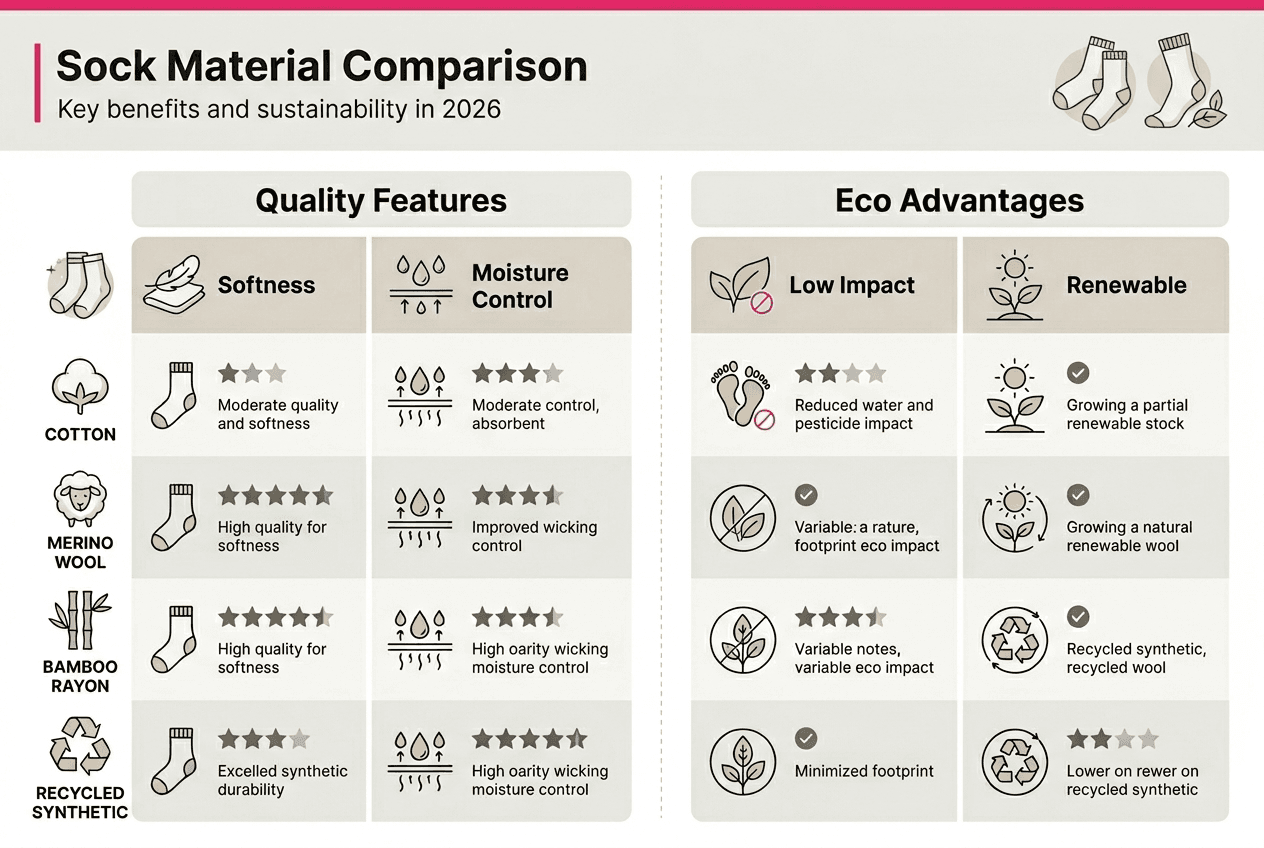
Understanding material properties helps you match socks to specific needs and values. Each fibre brings distinct advantages, but not all deliver the luxury and sustainability combination that defines truly premium socks. This comparison reveals why certain materials dominate the high-end market.
| Material | Breathability | Durability | Sustainability | Best Use |
|---|---|---|---|---|
| Organic bamboo | Excellent | High | Outstanding | Athletic wear, everyday comfort |
| Alpaca wool | Very good | Very high | Excellent | Winter warmth, dress occasions |
| Premium cotton | Good | Moderate | Good | Casual wear, mild weather |
| Synthetic blends | Variable | High | Poor | Budget options, specific sports |

Organic bamboo excels in moisture management, absorbing three times more liquid than cotton while drying faster. This keeps feet comfortable during temperature fluctuations common in Australian climates. The fibre’s natural thermoregulation means bamboo socks work year-round, cooling in summer and insulating in winter. Organic bamboo and alpaca wool are superior eco-friendly materials that combine luxury with sustainability.
Alpaca wool’s unique structure creates superior insulation without weight. The fibre is stronger than sheep’s wool, resisting pilling and maintaining appearance through countless wears. Alpaca naturally repels moisture rather than absorbing it, keeping feet dry in boots or closed shoes. For formal occasions or winter activities, alpaca delivers unmatched warmth and elegance.
Premium cotton remains popular for its softness and familiarity, though it lacks the performance features of bamboo or alpaca. Cotton absorbs moisture but dries slowly, which can lead to discomfort during extended wear. Organic cotton production uses significantly less water and avoids harmful pesticides, making it a reasonable sustainable choice. However, cotton socks typically require more frequent replacement than bamboo or alpaca alternatives.
Synthetic blends like polyester and nylon offer durability and low cost but come with environmental drawbacks. These petroleum-based fibres shed microplastics during washing, contributing to ocean pollution. Synthetics also trap heat and moisture, creating environments where bacteria thrive. While suitable for specific athletic applications requiring compression, synthetics cannot match the luxury feel of natural fibres.
Pro Tip: For versatile everyday wear, choose bamboo socks with 75-85% bamboo content. This ratio provides optimal comfort while maintaining enough elasticity for all-day fit.
Environmental considerations beyond fibre type:
- Water consumption during cultivation and processing
- Biodegradability at end of product life
- Chemical use in farming and manufacturing
- Carbon footprint of production and transportation
When shopping at best online stores, prioritise retailers who provide detailed material information and sustainability credentials. Transparency indicates a brand’s genuine commitment to quality and environmental responsibility.
How durability, design, and comfort elevate sock quality
Material alone does not guarantee satisfaction. Construction techniques and design features determine whether socks remain comfortable through years of wear or lose shape after a few washes. Premium manufacturers invest in details that mass-market brands overlook.
Reinforced heels and toes are non-negotiable for durability. These high-friction areas experience the most stress, making targeted reinforcement essential. Quality socks use denser knitting or additional yarn plies in these zones without creating uncomfortable bulk. Check for smooth transitions between reinforced and standard areas, a hallmark of skilled manufacturing.

Durable construction and comfortable design features like seamless toes and arch support are essential to premium sock quality. Seamless toe closures eliminate the ridge that causes blisters and irritation, particularly important for people with sensitive feet or those wearing socks for extended periods. This construction method requires specialised equipment and expertise, explaining why it appears primarily in higher-priced products.
Arch support transforms socks from simple foot coverings into performance accessories. Gentle compression around the arch reduces fatigue during standing or walking, while preventing the sock from bunching inside shoes. This feature proves especially valuable for people who spend entire days on their feet or engage in athletic activities.
Cushioning placement affects both comfort and durability. Strategic padding on the sole absorbs impact without adding excessive thickness that compromises shoe fit. Premium socks balance cushioning with breathability, ensuring feet stay comfortable without overheating. Look for graduated cushioning that provides more padding under the heel and ball of the foot.
Elasticity determines how well socks maintain position throughout the day. Quality elastic blends provide secure hold without constricting circulation or leaving marks on legs. The cuff should stay up without constant adjustment, a detail that separates premium socks from budget alternatives. After washing, high-quality socks return to their original shape rather than stretching out.
Pro Tip: Test sock quality by gently stretching the fabric. Premium socks snap back immediately with no visible distortion, while lower-quality options remain stretched or show thinning.
Steps to evaluate sock quality:
- Examine stitching for evenness and tight construction without loose threads
- Feel the fabric thickness, ensuring consistent density throughout
- Check the toe seam for smoothness and minimal bulk
- Assess cuff elasticity by stretching and releasing
- Review product specifications for fibre content and care instructions
- Research brand reputation for durability and customer satisfaction
Understanding what makes socks comfortable helps you make informed choices that balance immediate comfort with long-term value. Premium socks cost more initially but deliver superior performance and longevity that justify the investment.
Practical care tips to preserve your high-quality socks
Even the finest socks deteriorate quickly without proper maintenance. Natural fibres require gentle treatment that differs from synthetic care routines. Following these guidelines protects your investment and maintains the luxury feel that attracted you initially.
Washing bamboo socks requires cool or warm water, never hot. High temperatures can damage the fibre structure, causing premature wear and loss of softness. Use mild detergent without bleach or fabric softeners, which coat fibres and reduce their natural moisture-wicking properties. Turn socks inside out before washing to minimise friction on the outer surface.
Alpaca wool demands even gentler care than bamboo. Hand washing in cool water with wool-specific detergent preserves the fibre’s natural oils and structure. If machine washing is necessary, use the delicate cycle inside a mesh laundry bag. Never wring alpaca socks, as this distorts the fibres and causes permanent stretching. Instead, gently squeeze out excess water and reshape while damp.
Air drying protects both bamboo and alpaca fibres from heat damage. Lay socks flat on a clean towel away from direct sunlight, which can fade colours and weaken fibres. Avoid hanging socks by the cuff, as gravity stretches the elastic while damp. The extra drying time proves worthwhile when socks maintain their shape and softness through hundreds of wears.
Storage practices affect sock longevity more than most people realise. Fold socks gently rather than rolling them into tight balls, which stresses elastic fibres. Store in a drawer away from direct heat sources and ensure socks are completely dry before putting them away. Moisture trapped in storage creates environments where mildew can develop, particularly in humid climates.
Proper care routines extend the life of natural fibre socks by up to 50% compared to standard washing practices. The few extra minutes invested in gentle care translate to years of additional wear and sustained comfort.
Proper care can significantly increase the life and comfort of luxury socks made with natural fibres. This makes sustainable choices even more environmentally friendly, as longer-lasting products reduce overall consumption and waste.
Essential care practices:
- Wash socks after every two to three wears to prevent oil and bacteria buildup
- Separate dark and light colours to prevent dye transfer
- Remove socks promptly after washing to prevent wrinkles and mildew
- Rotate sock pairs regularly to allow fibres to recover between wears
- Inspect regularly for early signs of wear and address small issues before they worsen
Understanding why everyday socks matter motivates proper care habits. When you invest in quality, maintaining that quality becomes worthwhile rather than burdensome. The ritual of caring for premium accessories can even become a satisfying practice that extends to other wardrobe items.
Explore sustainable luxury socks at Uniq Socks
Now that you understand what defines high-quality socks, discovering options that meet these standards becomes the natural next step. Uniq Socks specialises in sustainable luxury accessories that combine eco-friendly materials with sophisticated Australian design.

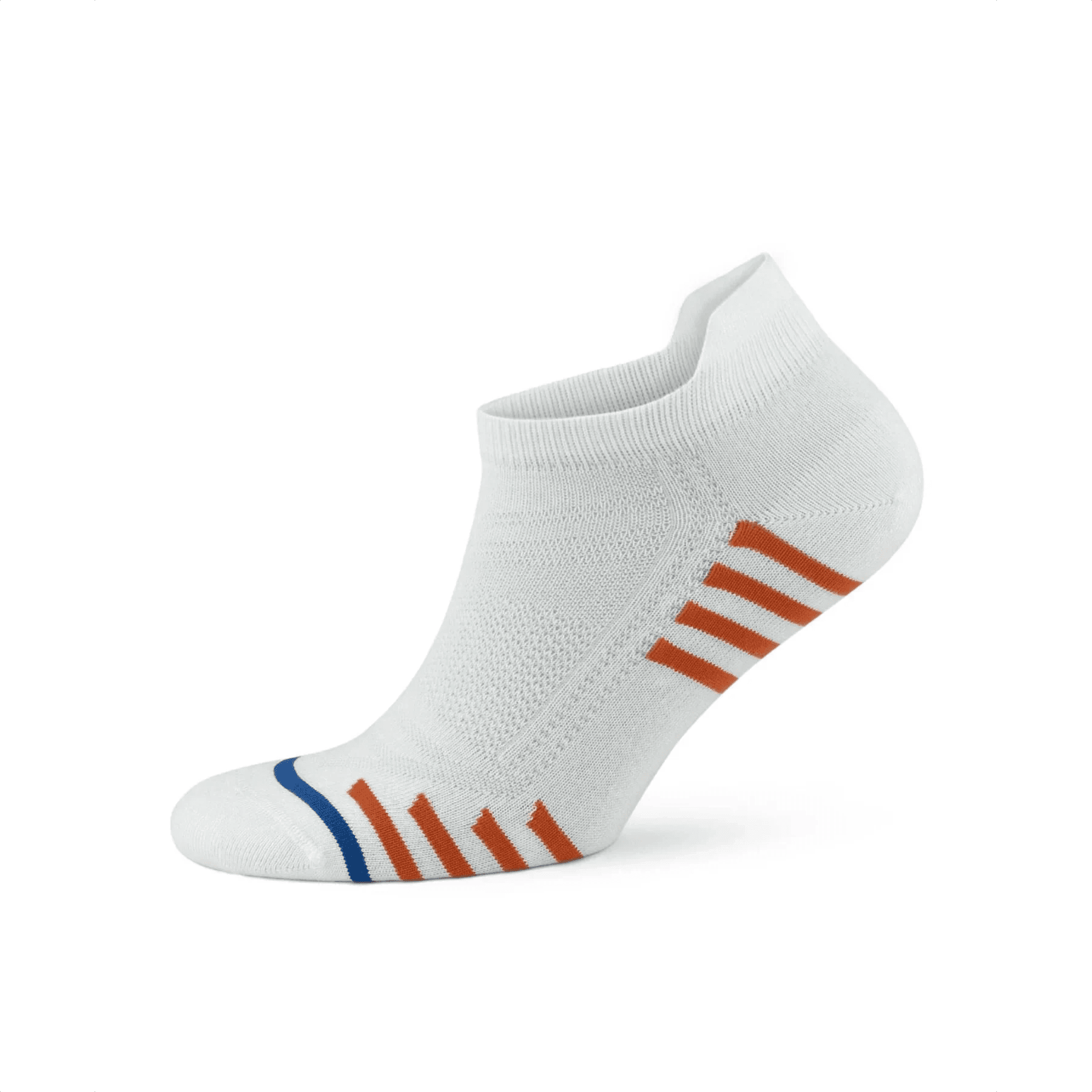
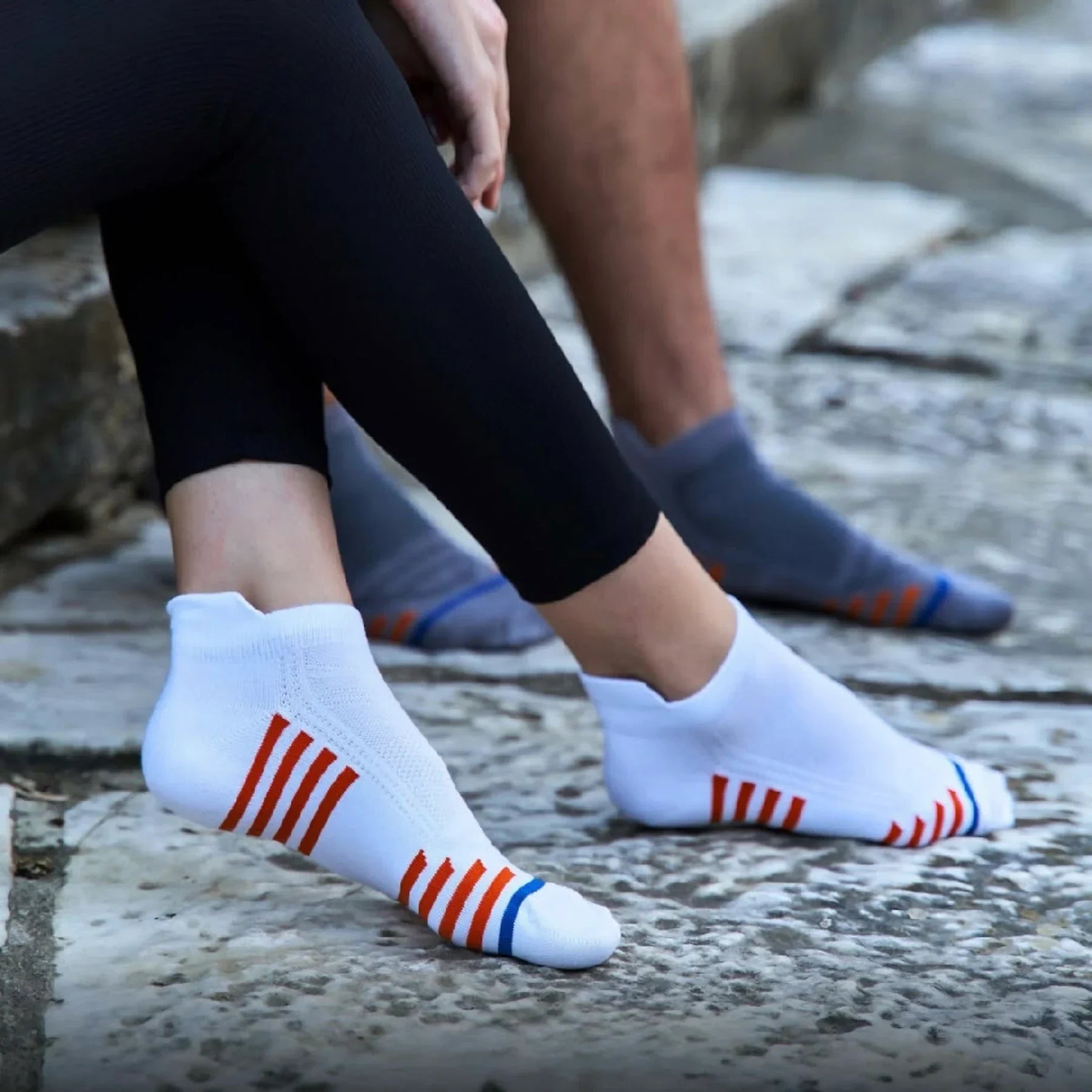
Our bamboo athletic socks feature the arch support and moisture-wicking properties discussed throughout this guide, perfect for active lifestyles. For winter warmth without bulk, explore our Norwegian winter wool socks crafted from premium alpaca blends. Every pair reflects our commitment to materials that feel exceptional while supporting environmental responsibility. Browse the complete collection at Uniq Socks to find sustainable luxury that elevates your everyday wardrobe.
Frequently asked questions
What is the best material for long-lasting luxury socks?
Organic bamboo and alpaca wool represent the pinnacle of sock materials, combining exceptional durability with sustainable production. Bamboo offers superior moisture management and antibacterial properties, while alpaca provides lightweight warmth and hypoallergenic comfort. Both materials outlast cotton and synthetic alternatives when properly cared for, making them worthwhile investments for conscious consumers.
How do I know if a sock is truly sustainable?
Look for specific certifications like OEKO-TEX Standard 100, which verifies materials meet strict environmental and safety standards. Genuine sustainable brands provide transparent information about fibre sourcing, production methods, and labour practices. Be wary of vague claims like “eco-friendly” without supporting details, as greenwashing remains common in the fashion industry.
Can proper care really extend the life of luxury socks?
Absolutely. Gentle washing in cool water, avoiding heat during drying, and proper storage can double or triple sock lifespan compared to standard care. Natural fibres like bamboo and alpaca maintain their structure and comfort far longer when protected from harsh detergents and high temperatures. The minimal extra effort required for proper care pays substantial dividends in extended wear and sustained luxury feel.
What design features should I look for in high-quality socks?
Seamless toe construction prevents blisters and irritation during extended wear. Arch support reduces foot fatigue and keeps socks properly positioned throughout the day. Reinforced heels and toes extend durability in high-friction areas without adding uncomfortable bulk. Strategic cushioning provides impact absorption while maintaining breathability. These features distinguish premium socks from basic alternatives and justify higher price points through superior daily comfort.
Recommended
- The Ultimate Guide to Durable Men’s Dress Socks in 2026
- Uniq Socks Blog | Insights, Trends & Tips
- Why Everyday Socks Deserve a Spot in Your Wardrobe
- How to Buy Premium Fashion Tights Online in 2026